
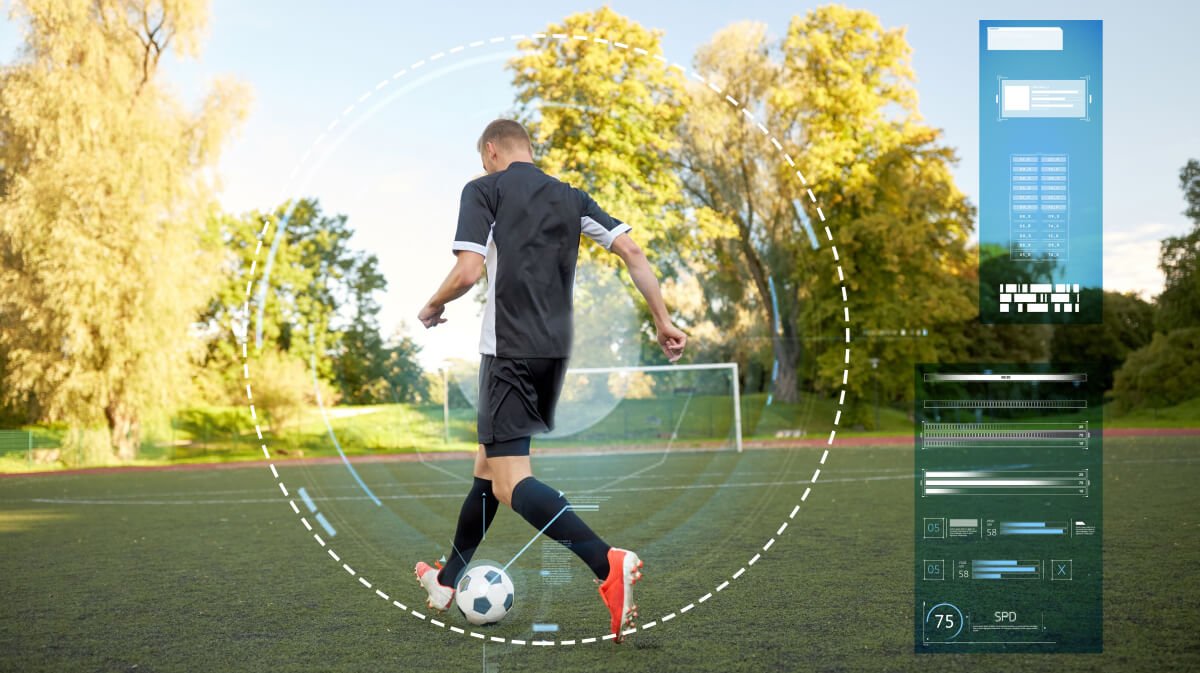
The world of sports has always been driven by skill, training, strategy, and determination, but in recent years, data analytics and artificial intelligence (AI) have transformed how athletes, coaches, and teams approach performance improvement. From professional football, basketball, and cricket to track and field, tennis, and swimming, modern sports rely increasingly on technology to gain a competitive edge. The role of data analytics and AI in improving sports performance goes beyond simple statistics; it involves predictive modeling, personalized training programs, injury prevention, tactical analysis, fan engagement, and even mental performance optimization.
This comprehensive blog explores how data analytics and AI are revolutionizing sports. We will cover key technologies, applications in different sports, performance monitoring tools, AI-powered coaching, predictive analytics, and how teams and athletes leverage these tools for better results. This blog uses relevant keywords naturally, avoids line separators, and provides a detailed understanding for athletes, coaches, sports analysts, and enthusiasts.
Introduction to Data Analytics and AI in Sports
Data analytics in sports involves collecting, processing, and interpreting quantitative and qualitative data to improve performance, strategy, and decision-making. AI, including machine learning, deep learning, and predictive modeling, enables automated analysis, pattern recognition, and actionable insights. Together, they form a powerful toolset that allows teams to go beyond intuition and experience.
Traditionally, sports performance was evaluated using simple metrics like goals scored, runs, or win-loss records. While these metrics are still important, AI and analytics provide deeper insights, including biomechanical data, fatigue monitoring, tactical analysis, and opponent profiling. By combining wearable sensors, video analysis, GPS tracking, and AI algorithms, coaches can design data-driven strategies tailored to individual players and team dynamics.
Key Technologies in Sports Data Analytics and AI
Wearable Technology
Wearable devices such as smart watches, heart rate monitors, GPS trackers, and inertial measurement units (IMUs) collect real-time data on athlete movements, speed, acceleration, heart rate, and workload. These devices allow precise monitoring of training intensity and physical stress, helping to optimize training schedules and reduce injury risk.
Video and Motion Analysis
High-speed cameras, drones, and video analysis software enable detailed examination of player technique, biomechanics, and tactical positioning. AI algorithms can automatically detect patterns, assess posture, track player movements, and highlight areas for improvement. Video analysis combined with AI can break down complex game scenarios to provide actionable insights.
Machine Learning and Predictive Modeling
Machine learning algorithms analyze historical performance data to predict outcomes such as injury risk, player fatigue, match results, and optimal line-ups. Predictive analytics helps coaches make strategic decisions, manage player rotation, and improve overall team efficiency.
Sensor-Based Performance Monitoring
Pressure sensors, accelerometers, and motion capture systems provide detailed information on player mechanics, balance, foot placement, and load distribution. AI models process this data to recommend technique adjustments, improve efficiency, and prevent overuse injuries.
Virtual Reality and Simulation
Virtual reality (VR) and AI-powered simulations allow athletes to train in realistic environments without physical strain. For example, basketball players can practice shooting in simulated game scenarios, and goalkeepers can rehearse saves with AI-generated opponents. VR also helps with cognitive training and decision-making skills under pressure.
Applications of Data Analytics and AI in Different Sports
Football (Soccer)
In football, data analytics tracks metrics such as distance covered, sprint count, pass accuracy, possession percentage, and heat maps. AI-powered models predict opponent behavior, optimal formations, and potential injury risks. Clubs like Manchester City, FC Barcelona, and Bayern Munich use AI-driven performance analysis to gain tactical advantages and manage player workloads.
Basketball
Basketball teams use AI for shot selection analysis, player tracking, and efficiency ratings. Wearable sensors monitor jumps, acceleration, and deceleration patterns. AI can identify fatigue signs and suggest recovery protocols. Teams like the Golden State Warriors and Toronto Raptors integrate advanced analytics into training and in-game decisions.
Cricket
In cricket, AI analyzes ball trajectories, batting stance, bowling techniques, and field placements. Data analytics helps in predicting pitch behavior, player performance under specific conditions, and optimal batting or bowling strategies. Teams like India, England, and Australia leverage AI to gain competitive advantages during T20, ODI, and Test matches.
Track and Field
Athletes in sprinting, long-distance running, and jumping events use AI for biomechanical analysis, stride optimization, and energy expenditure tracking. Wearable sensors and motion capture systems provide data for improving technique, pacing, and recovery. Predictive models also estimate performance peaks and injury likelihood.
Tennis
AI tracks serve speed, spin, player positioning, and stroke consistency. Data-driven insights help optimize training sessions and develop personalized strategies against specific opponents. Tennis pros use AI video analysis to refine technique, anticipate opponent patterns, and enhance decision-making during matches.
Swimming
Swimmers benefit from AI-powered stroke analysis, drag reduction assessment, and breathing patterns optimization. Sensors in swimsuits or wearables monitor motion efficiency and stroke timing. Coaches use this data to design personalized training programs and improve overall swim performance.
Injury Prevention and Load Management
One of the most critical applications of AI in sports is injury prevention. By analyzing workload, fatigue, biomechanical stress, and historical injury data, AI models can identify players at higher risk. Sports medicine teams can intervene proactively with modified training, physiotherapy, or recovery protocols.
Data analytics also helps in load management by tracking cumulative training stress, match intensity, and recovery periods. This reduces overtraining, prevents burnout, and extends player careers.
Personalized Training Programs
AI enables the creation of personalized training programs that are tailored to an athlete’s specific strengths, weaknesses, and goals. By analyzing historical performance, physical attributes, and technique, AI models suggest drills, intensity levels, and recovery periods to maximize improvement. Personalization ensures more efficient training sessions and faster skill acquisition.
Tactical Analysis and Strategy Optimization
Coaches and analysts use AI to study opponents’ tactics, strengths, and weaknesses. By analyzing match footage, player movements, formation patterns, and play sequences, AI models provide insights for game strategies and counter-strategies. Teams can simulate various match scenarios and optimize line-ups and tactics accordingly.
Performance Metrics and KPI Tracking
Data analytics provides comprehensive performance metrics and key performance indicators (KPIs) such as pass completion rate, shot accuracy, running speed, jump height, and power output. These metrics allow players and coaches to measure progress objectively, set performance goals, and track improvements over time.
AI-Powered Mental and Cognitive Training
AI is not limited to physical performance; it also enhances mental and cognitive skills. Virtual simulations, game scenario training, and decision-making AI models improve focus, anticipation, and situational awareness. Sports psychologists use AI to analyze behavioral data and recommend interventions for mental resilience, stress management, and motivation.
Fan Engagement and Analytics
Beyond performance, AI and data analytics transform how fans engage with sports. Predictive analytics provides real-time game insights, fantasy sports recommendations, and broadcast enhancements. Teams and leagues use AI to enhance fan experience through personalized content, interactive platforms, and real-time statistics.
Case Studies of AI and Data Analytics in Sports
- FC Barcelona – Uses AI-driven tracking systems to monitor player fitness, match performance, and tactical alignment. Data guides both training sessions and in-game adjustments.
- Golden State Warriors – Employ analytics to optimize shooting patterns, player rotation, and injury prevention strategies.
- Indian Cricket Team – Integrates AI models to analyze bowling variations, batting technique, and field placements for strategic advantages in T20 and ODI matches.
- Olympic Track Athletes – Use motion capture and AI analysis for stride optimization, energy efficiency, and peak performance timing.
These examples illustrate the transformative power of AI in professional sports and how data-driven decision-making is becoming central to success.
Challenges and Limitations
Despite its benefits, AI and data analytics in sports have limitations. High-quality data collection requires sophisticated equipment, and algorithms must be tailored to specific sports contexts. Ethical concerns include data privacy, misuse of player data, and overreliance on technology at the expense of instinct and experience. Teams must balance AI insights with traditional coaching knowledge.
The Future of AI and Sports Analytics
The future of sports performance lies in increasingly sophisticated AI models, wearable technology, real-time predictive analytics, and automated coaching systems. Integration of virtual reality, augmented reality, and AI will allow fully immersive training experiences. AI may also facilitate injury prediction at unprecedented precision, helping athletes achieve longer, healthier careers.
As machine learning algorithms evolve, sports analytics will become more accurate in assessing player potential, forecasting match outcomes, and optimizing performance at individual and team levels.
Conclusion
The role of data analytics and AI in improving sports performance is profound and expanding. From player tracking and injury prevention to tactical analysis, personalized training, and mental conditioning, AI and analytics provide athletes and teams with tools to maximize potential, minimize risk, and gain competitive advantages. Sports organizations, coaches, and players who embrace these technologies are better equipped to achieve success in increasingly competitive environments.
Understanding AI applications, leveraging wearable sensors, using predictive models, and integrating data-driven insights into training and game strategies ensure athletes can perform at peak levels. The fusion of human skill and artificial intelligence is redefining modern sports, making performance enhancement more precise, measurable, and efficient than ever before.
This guide highlights how data analytics and AI are not just trends but essential tools that shape the future of sports, benefiting players of all levels—from youth athletes to elite professionals competing on the world stage.