
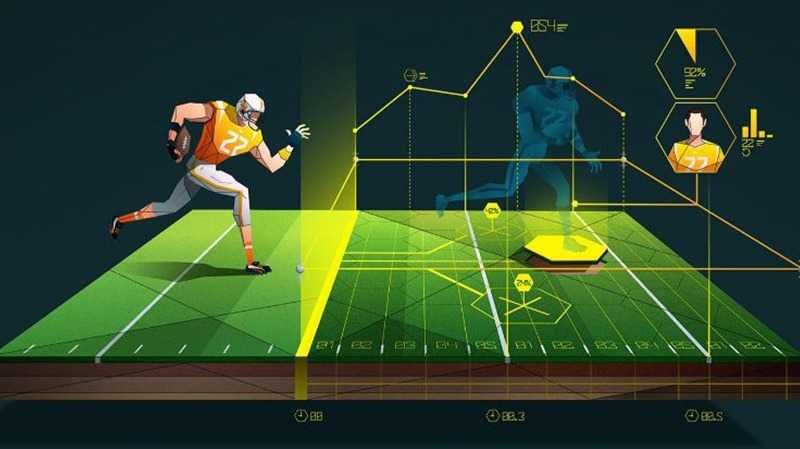
In today’s fast-paced world of sports, technology plays a pivotal role in improving performance, optimizing training, and enhancing gameplay. Innovative sports gadgets have revolutionized the way athletes, coaches, and fitness enthusiasts approach training. From wearable sensors to smart equipment, these devices provide real-time data, personalized feedback, and advanced performance tracking. The integration of technology into sports allows athletes to push their limits, reduce injuries, and gain a competitive edge. This comprehensive guide explores the latest innovative sports gadgets that enhance training and gameplay, their features, benefits, and how they are transforming modern sports for professionals and amateurs alike.
The Rise of Sports Technology
Sports technology has become an essential part of modern training programs. Gadgets and devices that measure speed, strength, agility, and endurance help athletes understand their performance patterns. Data-driven insights allow for smarter training plans, precise adjustments, and targeted skill improvement. Sports technology also bridges the gap between traditional coaching and scientific analysis, providing objective metrics to complement subjective observations. Wearable devices, smart balls, interactive training systems, and virtual reality setups are examples of gadgets that have redefined how athletes prepare and perform.
Wearable Fitness and Performance Trackers
Wearable devices are among the most popular sports gadgets today. Smartwatches, fitness bands, and performance trackers provide real-time data on heart rate, calories burned, distance traveled, speed, and recovery. Advanced models include GPS tracking, motion sensors, and biomechanical analysis, allowing athletes to monitor movement efficiency and optimize training loads. Wearable gadgets help prevent overtraining, detect fatigue, and improve endurance by providing personalized feedback based on performance metrics.
Elite athletes use wearable sensors embedded in clothing or attached to equipment to track specific movements, such as sprint speed, jump height, and rotational force. These devices enable coaches to identify strengths, weaknesses, and injury risks, ensuring training sessions are safe, efficient, and effective. For amateur athletes, wearable gadgets provide motivation, accountability, and insights for gradual performance improvement.
Smart Balls and Equipment
Sports gadgets now include intelligent equipment like smart balls, bats, and rackets. These devices contain sensors that measure speed, spin, impact force, and trajectory. For example, smart basketballs track shooting accuracy, dribbling patterns, and shot arc, while smart soccer balls provide data on kick speed, angle, and trajectory. Smart tennis rackets analyze swing mechanics, shot speed, and spin to enhance technique and consistency.
These gadgets are valuable for both practice and gameplay. They allow athletes to receive immediate feedback, identify areas for improvement, and track progress over time. Smart equipment also gamifies training sessions, making practice more engaging and interactive.
Virtual Reality (VR) and Augmented Reality (AR) Training
Virtual reality and augmented reality have entered the sports industry as advanced training tools. VR headsets simulate game scenarios, allowing athletes to practice decision-making, positioning, and tactical strategies without physical exertion. For example, football quarterbacks can practice reading defenses, while goalkeepers can improve reaction times to penalty shots.
Augmented reality overlays digital information onto real-world environments, enhancing training drills. AR glasses can display tactical insights, player positioning, and performance metrics in real time. These immersive technologies accelerate learning, enhance cognitive skills, and improve situational awareness, making them indispensable for professional athletes and teams.
Smart Training Systems and Interactive Platforms
Interactive training systems use technology to guide workouts, measure performance, and provide feedback. Examples include smart gym machines, connected rowing machines, and automated agility drills. These systems adapt resistance, speed, and difficulty based on the athlete’s real-time performance, ensuring optimal training intensity.
Interactive platforms also include AI-driven coaching apps and virtual trainers. These apps design personalized programs, track progress, and provide visual feedback through video analysis. Athletes benefit from structured workouts, performance insights, and motivation without the need for constant in-person coaching.
Biomechanical Analysis and Motion Capture Devices
Biomechanical analysis gadgets are used to study movement patterns, joint angles, and muscle activation. Motion capture sensors, wearable IMUs, and high-speed cameras provide detailed insights into an athlete’s technique. For example, sprinters can analyze stride length and cadence, while golfers can refine swing mechanics.
This technology helps prevent injuries by detecting imbalances or improper movements that place stress on joints and muscles. Coaches and physiotherapists can use biomechanical data to develop corrective exercises, enhance efficiency, and optimize performance.
Heart Rate Monitors and Recovery Gadgets
Monitoring heart rate is critical for endurance training, interval workouts, and recovery planning. Modern heart rate monitors offer accurate, real-time tracking and integrate with smartwatches and fitness apps. Recovery gadgets, such as percussive massage guns, compression devices, and cryotherapy systems, help athletes reduce muscle soreness, improve circulation, and accelerate recovery after intense workouts.
Sleep trackers and smart mattresses also contribute to recovery by monitoring sleep quality, providing insights into rest patterns, and suggesting improvements. Adequate recovery ensures consistent performance and reduces the risk of overuse injuries.
GPS and Performance Tracking Systems
GPS-enabled devices track location, speed, distance, and movement patterns in outdoor sports like running, cycling, football, and rugby. These devices provide data on pace, acceleration, deceleration, and distance covered, which is essential for performance analysis and tactical planning. GPS tracking helps coaches monitor team dynamics, player positioning, and workload distribution during training and matches.
In team sports, GPS systems are often paired with wearable sensors to provide a holistic view of physical output, including total distance, sprint frequency, and heart rate response. These insights are used to optimize training programs and prevent fatigue-related injuries.
Smart Clothing and Compression Gear
Smart clothing integrates sensors to monitor muscle activity, body temperature, and posture during workouts. Compression gear enhances blood circulation, reduces fatigue, and supports muscle recovery. Some smart garments provide real-time feedback on biomechanics, helping athletes correct posture and movement efficiency.
Athletes wearing smart clothing can analyze performance metrics without cumbersome devices, making it ideal for continuous training and long-duration exercises. This wearable technology is particularly beneficial for endurance sports, strength training, and rehabilitation.
Gamification and Performance Motivation Gadgets
Gamification gadgets make training engaging and fun, motivating athletes to push their limits. Examples include interactive cycling platforms, VR-based sports simulations, and smart agility ladders with LED feedback. These devices combine competition, real-time performance metrics, and reward systems to enhance motivation and adherence to training routines.
Sports video games integrated with motion sensors allow athletes to practice coordination, reflexes, and tactical skills while enjoying a virtual environment. Gamification also supports social interaction, competition, and community-building among athletes of all levels.
Injury Prevention and Biometric Gadgets
Innovative sports gadgets are increasingly designed for injury prevention. Wearable sensors monitor joint angles, impact forces, and movement patterns to detect risks. Smart insoles, knee braces, and posture-correcting devices provide real-time alerts to athletes, reducing the likelihood of injuries.
Biometric gadgets track physiological metrics such as heart rate variability, oxygen saturation, and stress levels. This data helps coaches adjust training intensity, ensure proper recovery, and optimize overall performance while minimizing injury risk.
AI-Powered Coaching and Analytics Tools
Artificial intelligence has transformed sports training by offering data-driven insights and personalized coaching. AI-powered platforms analyze performance data, suggest technique adjustments, and predict fatigue or injury risks. Machine learning algorithms can track trends over time, identify weaknesses, and recommend targeted drills for skill improvement.
Athletes and coaches benefit from AI analytics for strategic planning, performance monitoring, and decision-making during competitions. AI also integrates with wearable devices, smart equipment, and video analysis tools to create a comprehensive training ecosystem.
Virtual Competitions and Remote Training Gadgets
With the rise of connected devices, athletes can participate in virtual competitions and remote training sessions. Smart treadmills, cycling platforms, and rowing machines allow users to compete against others online, creating motivation and accountability. Remote coaching tools provide real-time feedback via video conferencing, motion tracking, and interactive platforms.
Virtual competitions simulate real-game scenarios, measure performance metrics, and foster a sense of community among athletes. These innovations have expanded access to professional-level training for users who may not have physical access to gyms or coaches.
Choosing the Right Sports Gadgets
Selecting the best sports gadgets depends on personal goals, sport type, and training environment. Athletes should consider device functionality, accuracy, ease of use, compatibility with apps, durability, and budget. Beginners may start with wearable trackers, smart balls, and interactive apps, while professionals may invest in biomechanical sensors, VR setups, and AI-powered analytics tools.
Integration of multiple gadgets into a cohesive training system enhances performance tracking, data analysis, and training optimization. Combining cardio monitoring, biomechanical analysis, smart equipment, and recovery devices creates a well-rounded approach to sports performance.
Future Trends in Sports Gadgets
The future of sports gadgets focuses on increased connectivity, real-time feedback, and personalized coaching. Innovations such as AI-driven analytics, VR-based training environments, biofeedback wearables, and smart recovery devices are expected to dominate the market. Compact, portable, and affordable smart gadgets will continue to make advanced training accessible to athletes at all levels.
Integration of machine learning, cloud-based data storage, and interactive virtual environments will create a seamless ecosystem for performance tracking, analysis, and skill development. Sports technology will increasingly focus on optimizing safety, efficiency, and long-term athlete development.
Conclusion
Innovative sports gadgets have transformed the landscape of training and gameplay, providing athletes with unprecedented insights, feedback, and performance optimization. From wearable trackers, smart balls, and VR training systems to AI-powered analytics, smart clothing, and injury prevention devices, technology enhances every aspect of sports preparation and execution. These gadgets empower athletes to train smarter, reduce injury risks, and achieve peak performance while maintaining motivation and engagement. By integrating innovative sports technology into daily training routines, athletes of all levels can reach their full potential, enjoy a more immersive training experience, and excel in competitive environments. As technology continues to evolve, sports gadgets will play an increasingly vital role in shaping the future of athletic performance and gameplay.