
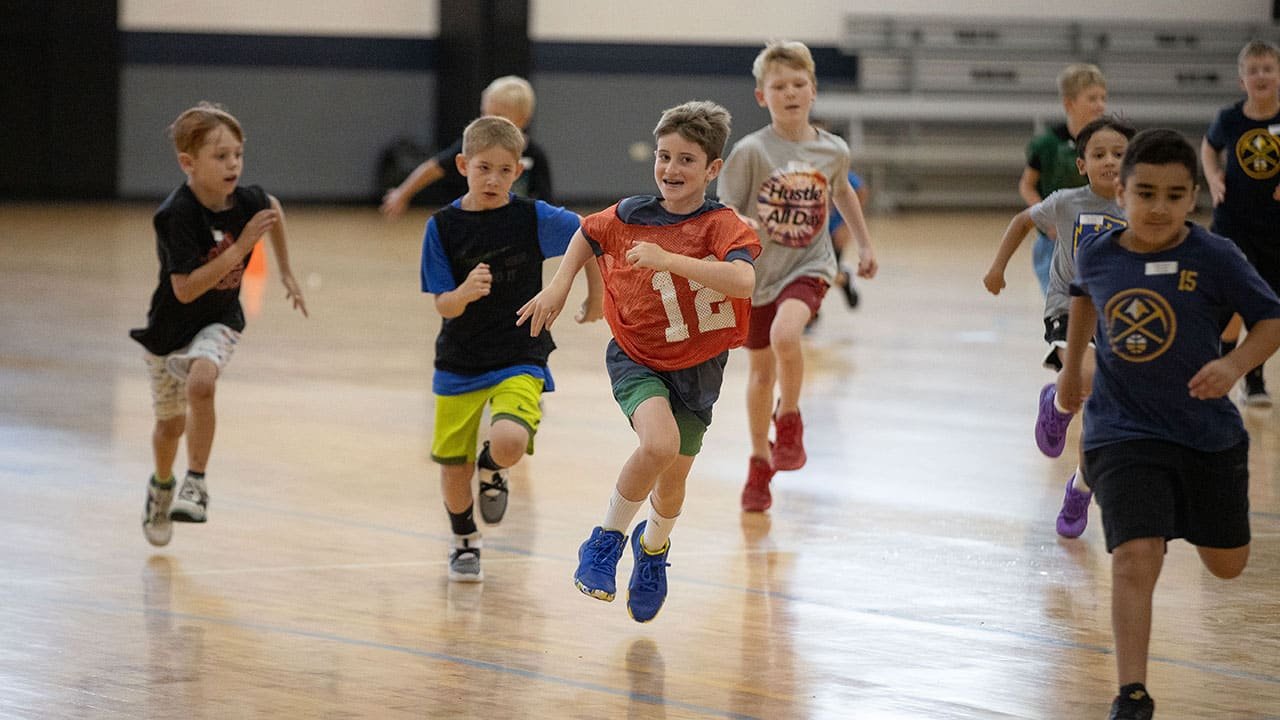
Youth sports play a vital role in the development of children and teenagers, offering far more than just physical activity. Participating in sports from a young age helps build essential life skills, fosters social development, instills discipline, and shapes character. Beyond winning games or mastering techniques, youth sports teach lessons that last a lifetime, including teamwork, resilience, leadership, and goal setting. Understanding the importance of youth sports is essential for parents, educators, coaches, and young athletes themselves.
Engaging in sports during formative years creates a foundation for healthy lifestyles, both physically and mentally. Youth sports encourage fitness habits, improve motor skills, and promote emotional well-being. Additionally, structured sports programs can help prevent risky behaviors, boost academic performance, and create opportunities for social interaction. Keywords: youth sports benefits, importance of sports for children, building skills through sports, youth character development, youth athletic programs.
Physical Benefits of Youth Sports
Participating in sports provides numerous physical benefits for young athletes. Regular physical activity strengthens muscles and bones, improves cardiovascular health, enhances flexibility, and develops coordination. Activities such as soccer, basketball, swimming, and track and field help children develop agility, balance, and endurance.
Youth sports also encourage lifelong fitness habits. Children who engage in organized sports are more likely to maintain an active lifestyle as adults, reducing the risk of obesity, heart disease, and other health issues. Furthermore, physical activity supports healthy growth and development during puberty, ensuring proper motor skill and muscle development. Keywords: physical benefits youth sports, fitness for children, youth athletic health, active lifestyle youth, sports and child development.
Cognitive and Academic Advantages
Youth sports contribute to cognitive growth and academic performance. Participating in sports requires focus, strategic thinking, and decision-making under pressure. Team-based sports such as soccer, basketball, and hockey help children understand tactics, anticipate opponents’ actions, and develop problem-solving skills.
Research has shown that children who participate in sports often demonstrate higher levels of concentration, improved memory, and enhanced academic outcomes. Balancing sports and academics also teaches time management skills, helping young athletes prioritize tasks and build self-discipline. Keywords: youth sports cognitive benefits, sports and academic performance, strategic thinking in sports, child development through sports, youth time management skills.
Emotional and Mental Health Benefits
Youth sports play a significant role in promoting emotional and mental well-being. Physical activity releases endorphins, reducing stress and anxiety. Engaging in sports provides an outlet for emotions, encourages positive self-expression, and builds confidence.
Children learn to cope with challenges, handle failure, and celebrate success. Resilience developed through sports participation is invaluable in other areas of life, helping youth navigate social pressures, academic stress, and personal setbacks. Keywords: youth sports mental health, emotional benefits of sports, confidence building through sports, resilience in youth, sports and stress management.
Social Skills and Teamwork
One of the most important lessons of youth sports is the development of social skills. Team-based activities teach cooperation, communication, and mutual respect. Children learn to work with peers of different personalities, negotiate conflicts, and support teammates.
Sports also foster inclusivity and cultural awareness. Playing with diverse teammates encourages understanding, empathy, and social adaptability. These social skills extend beyond sports, preparing youth for effective collaboration in school, future careers, and community involvement. Keywords: youth sports social skills, teamwork benefits for children, cooperation through sports, social development youth, character building sports.
Leadership and Responsibility
Youth sports provide an environment to cultivate leadership skills and personal responsibility. Team captains, event organizers, or even regular players learn to make decisions, guide peers, and take ownership of their performance.
Leadership lessons learned on the field translate to real-life situations. Young athletes develop accountability, learn to motivate others, and practice ethical decision-making. Responsibility for training, punctuality, and teamwork instills habits that support success in academics and future professional endeavors. Keywords: youth sports leadership, responsibility through sports, developing leaders in youth, character skills sports, youth personal growth athletics.
Discipline and Work Ethic
Sports participation teaches discipline and a strong work ethic. Training schedules, practice routines, and commitment to improvement require consistency and perseverance. Children learn the value of effort, patience, and setting incremental goals to achieve success.
Discipline gained through youth sports encourages self-control, focus, and determination. These attributes help youth excel in academics, social situations, and personal development. Keywords: discipline in youth sports, work ethic for children, youth perseverance, goal setting in sports, self-control development.
Sportsmanship and Ethical Values
Youth sports provide a platform to teach ethical values and sportsmanship. Children learn to respect opponents, follow rules, and accept outcomes gracefully, whether they win or lose.
Fair play, integrity, and honesty become central lessons of sports participation. These ethical values shape character, influence social interactions, and help youth navigate challenges both on and off the field. Keywords: youth sports ethics, sportsmanship for children, fair play youth athletics, values through sports, moral development in sports.
Exposure to Goal Setting and Achievement
Sports encourage youth to set realistic goals, track progress, and celebrate achievements. Whether improving personal performance, achieving team victories, or mastering new skills, youth athletes learn the importance of dedication and persistence.
Goal-setting in sports also fosters self-motivation, resilience, and a growth mindset. Children understand that success results from consistent effort, adaptability, and focus, lessons applicable in academics, hobbies, and future careers. Keywords: youth sports goal setting, achievement in sports, motivation through sports, growth mindset youth, personal development athletics.
Opportunities for Scholarships and Professional Development
Youth sports open pathways for scholarships, college admissions, and professional careers. Talented young athletes can gain recognition through tournaments, leagues, and national competitions. Exposure to competitive environments helps youth showcase skills, gain confidence, and access educational and career opportunities.
Participation in sports also develops transferable skills such as leadership, teamwork, time management, and communication, making youth athletes attractive candidates for higher education and professional opportunities. Keywords: youth sports scholarships, professional opportunities sports, athletic career development, youth sports exposure, sports for college admissions.
Inclusivity and Community Engagement
Youth sports foster inclusivity, social cohesion, and community involvement. Local sports leagues, clubs, and recreational programs bring children from diverse backgrounds together, creating bonds and promoting social responsibility.
Inclusive sports programs encourage children with disabilities or special needs to participate, promoting equality and empathy. Community engagement through sports teaches collaboration, volunteering, and social contribution. Keywords: youth sports community, inclusivity in sports, social development children, accessible youth sports, community engagement athletics.
Overcoming Challenges Through Sports
Sports provide a safe environment for youth to face and overcome challenges. Athletes encounter competition, setbacks, injuries, and pressure, learning resilience and problem-solving strategies.
Youth develop the ability to manage failure, adapt strategies, and persist through difficulties. These experiences strengthen mental toughness and confidence, preparing them to face life’s challenges with determination and optimism. Keywords: youth sports resilience, overcoming challenges children, sports mental toughness, perseverance in youth athletics, character building sports.
Technology and Youth Sports
Technology has enhanced youth sports by providing tools for training, tracking, and skill development. Wearable devices, performance apps, and video analysis allow young athletes to monitor progress, correct techniques, and improve performance efficiently.
Online platforms provide coaching resources, tutorials, and virtual competitions, making sports more accessible and engaging for youth worldwide. Technology also enables parents and coaches to monitor safety, nutrition, and training outcomes, optimizing the benefits of participation. Keywords: technology in youth sports, sports training apps, wearable devices youth athletes, digital sports coaching, modern youth sports.
Common Keywords Related to Youth Sports
Youth sports benefits, importance of youth athletics, developing skills through sports, character building for children, social development youth sports, physical fitness children, mental health through sports, teamwork in youth sports, leadership in sports, discipline and work ethic youth, sportsmanship youth athletics, goal setting in sports, scholarships and youth sports, inclusive sports programs, community engagement youth sports.
Conclusion
The importance of youth sports goes far beyond physical activity; it is a holistic platform for building skills, character, and lifelong values. Participation in sports helps children and teenagers develop physical fitness, cognitive abilities, emotional resilience, social skills, leadership qualities, discipline, ethical values, and a growth mindset.
Youth sports empower individuals to overcome challenges, embrace teamwork, and pursue excellence both on and off the field. By fostering inclusivity, community engagement, and opportunities for advancement, sports create a nurturing environment for young people to thrive. Encouraging participation in youth sports ensures the next generation develops not only athletic abilities but also the skills and character necessary for personal and societal success. Keywords: youth sports importance, building skills through sports, character development youth, benefits of youth athletics, inspiring young athletes, social skills youth sports, leadership in youth athletics, personal growth through sports, lifelong benefits sports, youth athletic programs.