
The Evolution of Athlete Protection Through Innovation
The world of sports has undergone a remarkable transformation over the past decade, shifting from a culture that celebrated playing through pain to one that prioritizes intelligent prevention and long-term athlete health. This evolution represents one of the most significant philosophical changes in the history of athletics, moving away from the rugged individualism that once defined sports toward a more scientific, data-driven approach. Where previous generations of athletes were expected to tough it out, ignoring warning signs and pushing through discomfort until catastrophic failure occurred, today’s competitors benefit from a sophisticated arsenal of technological tools designed to identify problems before they become injuries. The stakes of this evolution extend far beyond individual careers, touching on the fundamental question of what we owe to those who entertain us through physical excellence. Professional teams invest millions in protecting their assets, recognizing that player health directly correlates with competitive success and financial performance.
Wearable Technology and Real-Time Biomechanical Monitoring
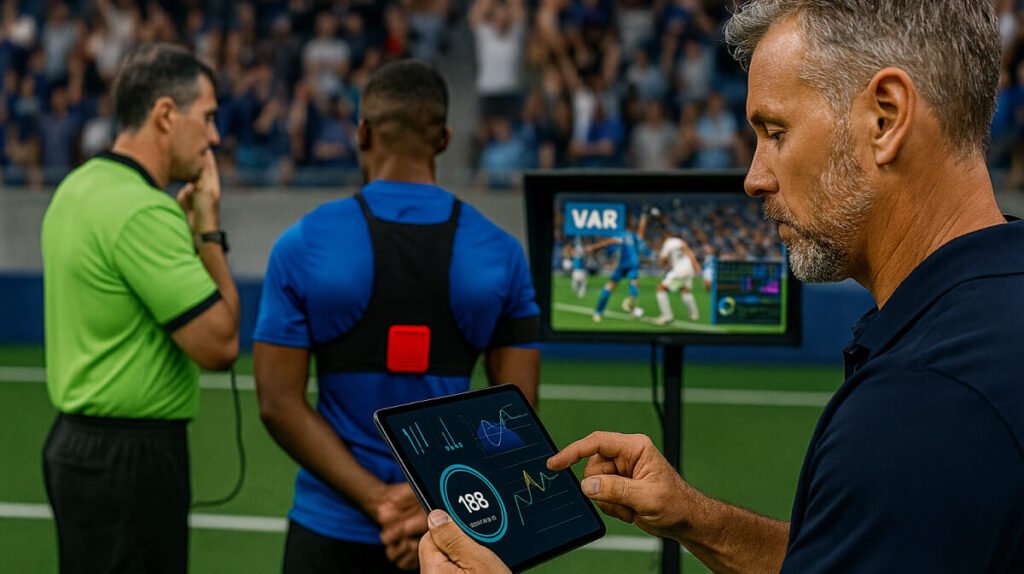
At the forefront of the injury prevention revolution stands the remarkable array of wearable devices that athletes now wear during both training and competition, providing unprecedented insight into the mechanics of human movement. These devices, ranging from GPS trackers sewn into jerseys to smart watches and specialized sensors attached to specific body parts, create a continuous stream of data about exactly what an athlete’s body is experiencing.
The real magic of these devices lies not in the raw data they collect but in the algorithms that process this information and translate it into actionable insights for athletes and medical staff. Machine learning models trained on thousands of injury cases can now identify patterns in movement data that correlate with increased injury risk, flagging athletes whose mechanics have deteriorated due to fatigue or compensation for minor pain. This allows for intervention at the earliest possible moment, when a simple adjustment or brief rest can prevent the cascade of issues that leads to significant time loss.
Smart Clothing and Embedded Sensor Technology
The next frontier in wearable technology moves beyond straps and patches to integrate sensors directly into the clothing athletes wear, creating seamless monitoring that feels natural and unobtrusive during competition. Smart compression garments now contain conductive fibers that measure muscle activation patterns, detecting when specific muscle groups are firing incorrectly or becoming overworked during training sessions. These intelligent textiles can identify the early signs of muscle fatigue that precede strains and tears, alerting coaches when an athlete’s workload has exceeded safe thresholds. The technology has advanced to the point where smart shirts can monitor breathing patterns and heart rate variability, providing early warning of respiratory issues or cardiovascular stress that might otherwise go unnoticed until a catastrophic event occurs. For sports with high impact forces like football and rugby, smart padding contains impact sensors that measure the force of collisions and track cumulative exposure over time, helping medical staff make informed decisions about when an athlete needs recovery time.
Video Analysis and Computer Vision Applications
The visual documentation of athletic movement has evolved from grainy film that coaches reviewed after games to sophisticated computer vision systems that analyze every frame of video in real time, identifying subtle movement patterns invisible to the human eye. High-speed cameras capture thousands of frames per second, slowing down the fastest athletic movements so that biomechanists can study the precise angles and forces involved in activities like pitching a baseball or landing from a jump. Computer algorithms now automatically track joint positions throughout athletic movements, creating detailed models of how an athlete’s body moves and comparing these patterns to optimal biomechanics derived from studying healthy athletes. When a basketball player consistently lands with their knee collapsing inward after jump shots, the system flags this pattern as a risk factor for anterior cruciate ligament injuries and alerts coaches to intervene before damage occurs. The power of these systems lies in their ability to process enormous volumes of video data that would overwhelm human analysts, identifying trends and patterns across thousands of repetitions that reveal developing problems. Teams now use this technology to monitor workload across practices and games, ensuring that athletes do not accumulate dangerous levels of repetitive stress in any single movement pattern. The integration of video analysis with wearable data creates a comprehensive picture of athlete health that neither system could provide alone, allowing medical staff to see both the external mechanics and internal forces simultaneously.
Biomechanical Modeling and Movement Optimization
The combination of motion capture technology and advanced computer modeling has created the field of computational biomechanics, where researchers can simulate athletic movements and predict their consequences without putting a single athlete at risk. Athletes now regularly undergo comprehensive biomechanical assessments in laboratory settings, where hundreds of cameras capture their movements from every angle while force plates measure the ground reaction forces their bodies experience. This data feeds into sophisticated computer models that simulate the stresses on bones, muscles, ligaments, and tendons during athletic activity, identifying specific movements that create dangerous loading patterns. A pitcher’s delivery can be analyzed to determine exactly how much torque their elbow experiences during each throw, with the model predicting the cumulative effect of this stress over a season and identifying the threshold beyond which injury becomes likely. These simulations allow trainers to experiment with technique modifications virtually, testing different movement patterns to see which ones reduce joint loading without sacrificing performance. The athlete then receives specific, data-driven recommendations about how to modify their mechanics to reduce injury risk while maintaining or even improving their competitive effectiveness. This approach transforms injury prevention from a guessing game based on general principles to a precise science tailored to each individual’s unique anatomy and movement style.
Recovery Technology and Regenerative Medicine
The period between training sessions and competitions has become as technologically sophisticated as the activities themselves, with a growing arsenal of recovery technologies designed to accelerate healing and prepare the body for subsequent stress. Cryotherapy chambers expose athletes to extremely cold temperatures that reduce inflammation and promote recovery, while compression devices use precisely timed pressure waves to enhance circulation and clear metabolic waste from tired muscles. The science of sleep has been transformed by technology, with smart mattresses and sleep tracking devices monitoring rest quality and providing insights about how to optimize this most fundamental recovery activity.
Hyperbaric oxygen chambers deliver increased oxygen to tissues, accelerating healing of minor injuries and reducing recovery time between intense efforts. The most cutting-edge recovery technology operates at the cellular level, with devices that deliver specific wavelengths of light to stimulate mitochondrial function and promote tissue repair. These photobiomodulation treatments have shown remarkable effectiveness in reducing muscle damage and accelerating return to play following intense competition. The integration of these technologies into comprehensive recovery protocols, guided by data from wearables about each athlete’s specific needs, has dramatically reduced the incidence of overuse injuries and allowed athletes to train harder while staying healthier.
Hydration and Nutrition Monitoring Systems
The fundamental building blocks of athletic performance and injury prevention, proper hydration and nutrition, have been revolutionized by technology that provides real-time feedback about each athlete’s status. Wearable devices now estimate sweat rates and electrolyte loss during activity, alerting athletes when they need to replenish fluids and what specific nutrients their bodies require. Smart water bottles track consumption throughout the day and sync with other devices to ensure that athletes meet their individualized hydration targets before, during, and after activity. The science of nutrition has been transformed by metabolic testing that measures exactly how each athlete’s body processes different fuel sources, allowing for personalized nutrition plans that optimize energy availability and recovery.
Continuous glucose monitors, once reserved for diabetics, now help athletes understand how their bodies respond to different foods and timing strategies, maintaining stable energy levels that support consistent performance and reduce injury risk from fatigue-related breakdowns. Blood testing technology has advanced to the point where athletes can receive immediate feedback about markers of inflammation, muscle damage, and nutritional status, allowing for rapid adjustments to training loads and recovery protocols. This comprehensive approach to fueling the athletic body ensures that tissues have the resources they need to withstand training stress and repair damage before it accumulates into injury.
Virtual Reality and Cognitive Training for Injury Prevention
The connection between mental processing and physical injury has become increasingly clear, leading to the development of virtual reality systems that train athletes to make better decisions and react more effectively to game situations. When athletes are mentally fatigued or processing information slowly, they make poor decisions that lead to dangerous situations and increase injury risk. Virtual reality training allows athletes to experience game situations repeatedly in a controlled environment, improving their recognition of developing plays and their ability to react appropriately. This cognitive training reduces the mental load during actual competition, allowing athletes to respond instinctively rather than thinking through situations that have already become second nature through virtual repetition. For sports with high collision risk, virtual reality provides exposure to game situations without the physical danger, building mental preparedness that translates to safer play. The technology also allows for assessment of cognitive function following head impacts, providing objective data about when an athlete has recovered sufficiently to return to competition safely. This application has proven particularly valuable in concussion management, where subjective symptom reports have historically led to premature returns and catastrophic second injury risks.
Protective Equipment Evolution Through Material Science
The equipment athletes wear has undergone its own technological revolution, with advanced materials and smart design providing unprecedented protection without limiting mobility or performance. Helmet technology has evolved dramatically through the application of computational fluid dynamics and impact testing, creating designs that manage energy more effectively and reduce the forces reaching the brain during collision. Football helmets now contain sensors that measure impact severity and location, providing medical staff with objective data about hits that might otherwise go unnoticed during the chaos of competition. Mouthguards have been transformed into sophisticated monitoring devices that measure head acceleration and provide real-time alerts when impacts reach concerning thresholds.
The materials used in padding and protective gear have advanced through aerospace and military research, with foams and composites that respond intelligently to impact forces, remaining soft during normal movement but stiffening instantly when high forces are detected. This responsive protection allows athletes to maintain full range of motion while receiving maximum protection exactly when they need it. The integration of this smart equipment with other monitoring systems creates comprehensive protection networks that track both the forces applied to athletes and their physiological responses to those forces.
Rehabilitation Technology and Return-to-Play Decision Making
When injuries do occur despite preventive efforts, technology has transformed the rehabilitation process and the critical decisions about when athletes are ready to return to competition. Advanced imaging techniques provide unprecedented views of healing tissues, allowing medical staff to track recovery at the cellular level rather than relying on subjective assessments of pain and function. Isokinetic testing machines measure strength and power with precision, comparing injured limbs to healthy ones and ensuring that deficits have been fully addressed before return to sport. Motion capture technology during rehabilitation exercises provides immediate feedback about movement quality, ensuring that athletes do not develop compensatory patterns that could lead to subsequent injuries.
Virtual reality systems allow injured athletes to maintain cognitive engagement with their sport during physical recovery, keeping mental skills sharp while the body heals. The data collected throughout rehabilitation feeds into predictive models that assess readiness for return, combining information about strength, movement quality, healing status, and sport-specific demands to recommend the optimal timing for clearance. This data-driven approach has dramatically reduced the rates of re-injury that once plagued athletes returning from significant injuries, as medical staff no longer rely on guesswork about when healing is complete.
The Democratization of Injury Prevention Technology
Perhaps the most significant trend in athletic injury prevention is the democratization of technology, as advances that once resided exclusively in professional sports organizations become accessible to athletes at all levels. Consumer wearable devices now provide many of the monitoring capabilities that required laboratory equipment just a few years ago, allowing high school athletes to track their workloads and recovery patterns. Mobile applications deliver coaching on proper movement mechanics and provide feedback about training intensity, bringing professional-level guidance to those who cannot afford personal trainers. The cost of motion capture technology has plummeted, with smartphone-based systems now providing analysis that once required hundred-thousand-dollar equipment installations.
This democratization has profound implications for athlete safety at the youth level, where developing bodies are most vulnerable to injury and resources have historically been most limited. As technology continues to become more affordable and accessible, the gap between professional and amateur injury prevention narrows, potentially reducing the injury rates that have plagued youth sports in recent decades. The challenge moving forward lies not in developing new technology but in ensuring that this technology reaches those who need it most and that coaches and parents understand how to use it effectively.
The Ethical Dimensions of Athlete Monitoring
The technological revolution in injury prevention raises profound ethical questions about privacy, autonomy, and the nature of the athlete-employer relationship that society continues to grapple with. When teams collect intimate physiological data about their athletes, questions arise about who owns this information and how it can be used beyond its immediate medical purpose. Athletes may feel pressure to share data that reveals concerning health information, worried that refusing consent could affect their playing time or contract negotiations.
The predictive power of injury analytics creates difficult questions about what athletes should be told about their future risk and how this knowledge might affect their mental state and performance. Some worry that the constant monitoring of every physiological parameter creates a medicalized view of athletes that reduces them to data points rather than recognizing them as whole human beings. Others celebrate the empowerment that comes with detailed knowledge about one’s own body, arguing that athletes have the right to this information and the ability to make informed decisions about their health. The sports medicine community continues to develop ethical guidelines for the collection and use of athlete data, seeking to balance the clear benefits of injury prevention against the fundamental rights of athletes to privacy and self-determination.
The Future of Injury Prevention Technology
Looking forward, the trajectory of injury prevention technology points toward even more seamless integration and predictive capability, with advances that seem like science fiction today becoming routine tomorrow. Nanotechnology promises sensors small enough to circulate in the bloodstream and report on cellular health markers long before they manifest as symptoms. Genetic analysis may identify athletes with inherent vulnerabilities to specific injury types, allowing for personalized prevention programs that address their unique risks from the earliest stages of development. The continued evolution of artificial intelligence will produce systems that not only predict injury risk but prescribe specific interventions tailored to each athlete’s current status and historical response patterns. Smart facilities will adjust environmental conditions and training surfaces based on real-time athlete data, optimizing conditions for safety and performance simultaneously.