
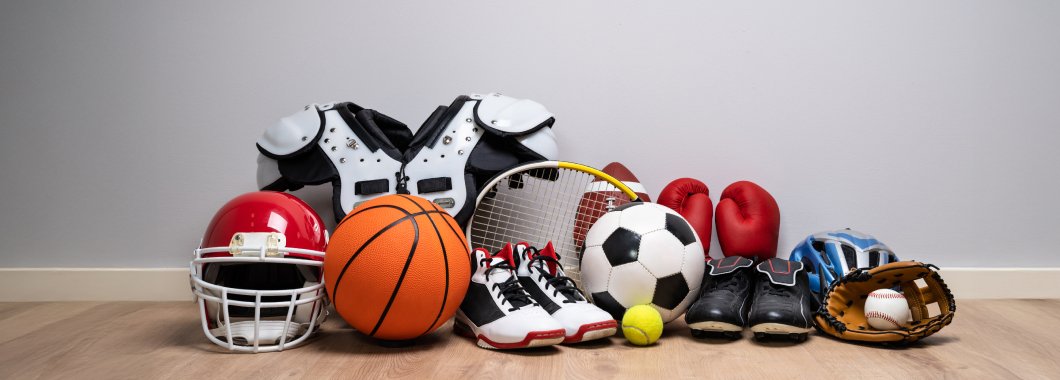
Choosing the right sports gear is essential for athletes and sports enthusiasts at all levels. Whether you are a beginner, a weekend warrior, or a professional athlete, using the correct equipment can enhance performance, prevent injuries, and improve overall enjoyment of your sport. From shoes and apparel to protective gear and training equipment, selecting sports gear requires careful consideration, knowledge, and understanding of your sport, personal needs, and budget. This comprehensive guide on choosing the right sports gear explores tips, comparisons, and recommendations across various sports categories, helping you make informed decisions.
Understanding Your Sport and Needs
Before purchasing any sports gear, it is crucial to understand the specific demands of your sport. Different sports require specialized equipment tailored to movement patterns, intensity, and environmental conditions. For example, running shoes are designed differently from basketball or soccer shoes, providing sport-specific support, cushioning, and traction. Similarly, protective gear such as helmets, pads, or guards varies based on the sport’s risk factors. Knowing your sport also helps identify performance-enhancing gear, such as moisture-wicking apparel, compression wear, and energy-efficient accessories. Assessing your skill level, frequency of participation, and goals is another important factor in selecting the right sports gear. Beginners may prioritize comfort and basic functionality, while advanced athletes often focus on advanced features, durability, and professional-grade equipment.
Key Factors When Choosing Sports Gear
When choosing the right sports gear, several factors must be considered. The first factor is fit and comfort. Ill-fitting shoes, apparel, or protective gear can lead to discomfort, reduced performance, and potential injuries. Always try gear on, check sizing charts, and consider adjustable or customizable options when available. The second factor is quality and durability. Investing in high-quality sports gear ensures long-term performance and reduces the need for frequent replacements. Materials such as breathable fabrics, reinforced soles, and impact-resistant plastics are indicators of quality. The third factor is safety and protection. Protective equipment should meet industry standards, such as ASTM or CE certifications, to guarantee safety during play. Finally, consider budget and value. While premium gear often offers advanced features, mid-range options can provide excellent performance for most athletes. Comparing features, reviews, and prices helps in selecting gear that balances cost and functionality.
Choosing the Right Sports Shoes
Sports shoes are one of the most important elements of athletic gear. Proper footwear prevents injuries, enhances stability, and improves performance. When choosing sports shoes, consider the type of sport, foot type, and playing surface. For running, shoes with adequate cushioning, arch support, and shock absorption are essential. Trail runners require durable soles with strong grip for uneven terrain, while track runners benefit from lightweight, responsive spikes. In basketball, shoes with ankle support, lateral stability, and traction help prevent sprains and improve agility. Soccer cleats must fit snugly, provide good traction on grass or turf, and allow for precise ball control. Tennis shoes require lateral support, non-marking soles, and durability to withstand rapid side-to-side movements. Popular brands such as Nike, Adidas, Puma, and Asics offer specialized shoes for each sport, and reading reviews or consulting sports specialists can help in choosing the right pair.
Sports Apparel: Comfort Meets Functionality
Sports apparel plays a crucial role in performance and comfort. Moisture-wicking fabrics, breathable materials, and ergonomic designs enhance athletic performance while reducing fatigue. Compression wear supports muscles, improves blood circulation, and can aid in faster recovery. Layering with thermal or water-resistant fabrics is important for outdoor sports, while lightweight, flexible clothing is ideal for indoor activities. When choosing sports apparel, consider the sport’s movement patterns and intensity. For example, cycling jerseys with aerodynamic fit, pockets, and moisture management features enhance cycling performance, while yoga or Pilates attire requires stretchable, non-restrictive fabrics. Investing in high-quality sports apparel ensures durability, comfort, and better performance over time.
Protective Gear: Safety First
Protective gear is essential for high-risk sports, including contact sports, cycling, skateboarding, and martial arts. Helmets, pads, gloves, mouthguards, and guards reduce the risk of injury and provide confidence during play. When selecting protective gear, check for certifications, proper fit, and sport-specific features. Helmets should fit snugly and have ventilation for comfort, while padding should cover key areas without restricting movement. Gloves for sports such as hockey, football, or weightlifting require durability and grip enhancement. Mouthguards prevent dental injuries, and guards for knees, elbows, or shins absorb impact during contact sports. High-quality protective gear ensures safety without compromising mobility or performance.
Fitness and Training Equipment
Apart from sport-specific gear, fitness and training equipment play a vital role in improving performance. Resistance bands, dumbbells, kettlebells, medicine balls, and balance trainers are useful for strength training and conditioning. Cardiovascular equipment, such as treadmills, stationary bikes, and rowing machines, helps improve endurance and stamina. For athletes training at home, compact, multi-functional equipment is ideal, while gyms and professional athletes often use specialized machines. When selecting training equipment, consider space availability, durability, and safety features. Proper usage techniques and guidance from certified trainers prevent injuries and maximize benefits.
Gear Comparisons: Quality, Price, and Features
Comparing sports gear based on quality, price, and features helps in making informed decisions. For example, in running shoes, high-end models offer advanced cushioning, energy-return technology, and lightweight materials, while budget-friendly shoes provide essential support and comfort for beginners. Similarly, in protective gear, premium helmets offer impact sensors and advanced ventilation, whereas standard helmets meet safety standards at a lower cost. Apparel comparisons include fabric breathability, stretchability, and moisture management. Evaluating gear features in relation to personal needs ensures that you choose items that offer maximum benefit without overspending. Online reviews, expert recommendations, and brand reputation are valuable resources for comparison.
Recommendations for Popular Sports
For running, select shoes with cushioning, arch support, and durable outsoles. Lightweight, breathable apparel and moisture-wicking socks complement performance. For cycling, padded shorts, aerodynamic jerseys, gloves, and helmets enhance comfort and safety. For basketball, shoes with ankle support, jerseys that allow free movement, and protective braces prevent injuries. In soccer, cleats with proper traction, shin guards, and lightweight jerseys improve performance and safety. For tennis, lateral-support shoes, moisture-wicking shirts, and wristbands help maintain endurance and control. For gym workouts, comfortable, flexible clothing, proper footwear, and supportive gloves enhance strength and cardio training. Following these recommendations ensures optimal performance, safety, and comfort.
Tips for Maintaining Sports Gear
Maintaining sports gear extends its lifespan and ensures optimal performance. Cleaning shoes and apparel regularly prevents odor, bacteria, and material degradation. Inspect protective gear for cracks, wear, or loose parts, replacing them when necessary. Store equipment in dry, cool areas away from direct sunlight to prevent damage. Follow manufacturer instructions for washing, drying, and storage to maintain the integrity of fabrics and materials. Proper maintenance also improves safety, ensuring that gear functions effectively during play or training.
Investing Wisely in Sports Gear
Investing wisely in sports gear means balancing cost, quality, and personal needs. While premium gear often offers advanced features, mid-range options are suitable for most athletes and provide excellent durability and performance. Renting or borrowing gear can be a temporary solution for beginners, but owning personalized, sport-specific gear is recommended for regular athletes. Paying attention to fit, comfort, and functionality ensures that your investment supports your sporting goals and prevents injuries. Budgeting for high-quality gear over time is a smart strategy for long-term benefits.
Trends in Sports Gear Technology
Sports gear technology continues to evolve, offering athletes advanced performance-enhancing features. Smart shoes with sensors monitor running form, stride, and speed, while wearable devices track heart rate, calories, and movement patterns. Advanced fabrics provide cooling, anti-odor, and stretchability properties, improving comfort and efficiency. Protective gear integrates impact sensors and lightweight composites to enhance safety. Staying updated on sports gear trends allows athletes to take advantage of innovations that improve training, performance, and injury prevention.
Conclusion: Choosing Gear for Success
Choosing the right sports gear is a crucial factor in achieving success, improving performance, and preventing injuries in sports. Understanding your sport, assessing your personal needs, and considering factors such as fit, comfort, quality, safety, and budget are essential steps in selecting the best equipment. Comparing features, reading reviews, and following recommendations ensures informed decisions. Investing in high-quality sports shoes, apparel, protective gear, and training equipment enhances performance and enjoyment. Maintaining gear properly extends its lifespan and ensures consistent safety and functionality. Staying updated with sports gear technology allows athletes to maximize performance and adapt to innovations. By following these tips, comparisons, and recommendations, you can choose the right sports gear to support your sporting journey, achieve your goals, and enjoy a safe and rewarding experience in every activity.