
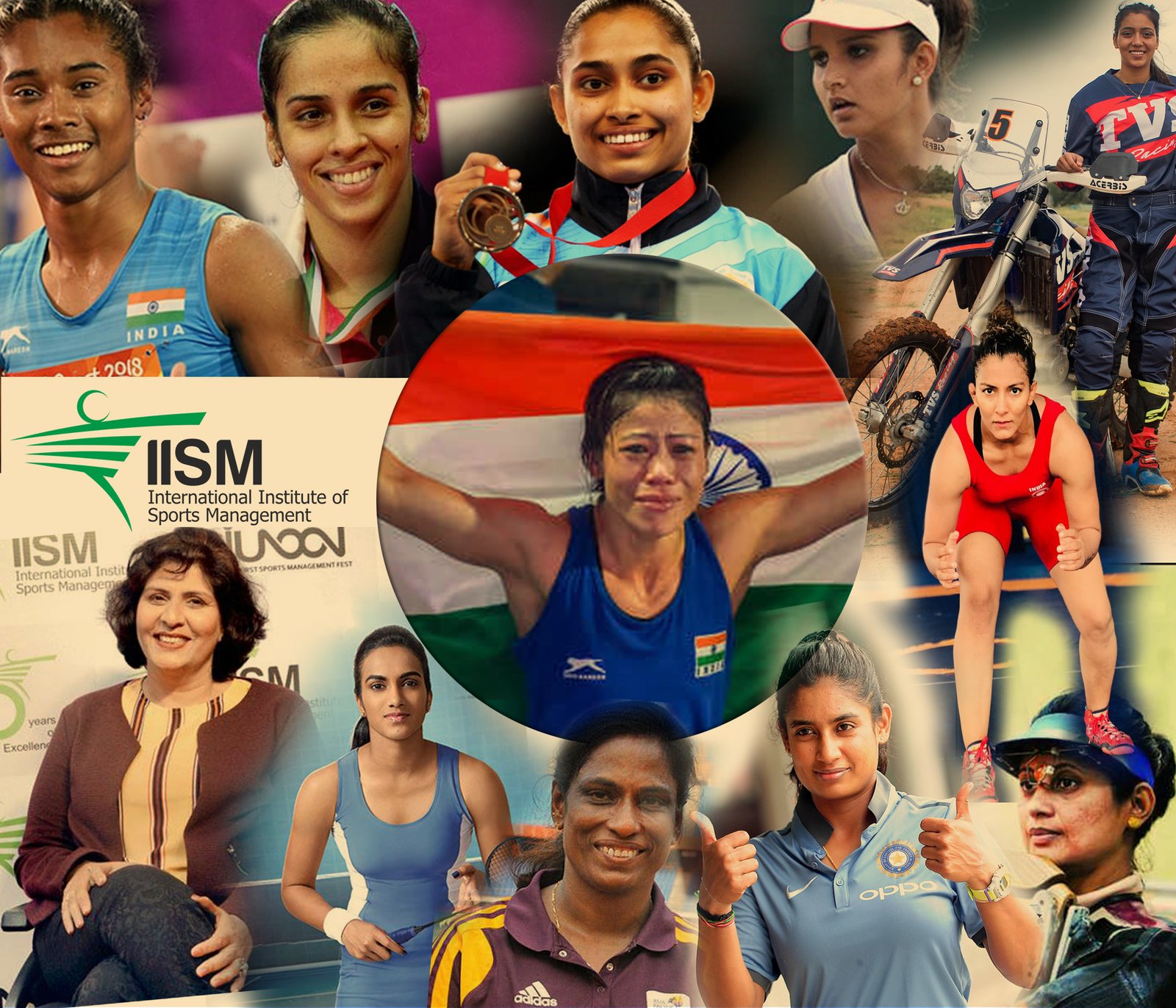
Women in sports have historically faced numerous challenges, ranging from social barriers and discrimination to lack of access, funding, and recognition. Despite these obstacles, countless female athletes have broken barriers, challenged stereotypes, and redefined what it means to compete at the highest level. The journey of women in sports is one of resilience, determination, and empowerment.
This comprehensive blog explores the challenges faced by women in sports, including societal norms, gender inequality, pay gaps, lack of media coverage, and structural obstacles. It also highlights how women overcame these challenges through advocacy, education, support systems, mentorship, and perseverance. By understanding these struggles and successes, athletes, coaches, policymakers, and fans can continue to create an inclusive and equitable environment for women in sports. This blog includes relevant keywords naturally, uses clear headings, and provides insights suitable for readers of all levels.
Historical Barriers for Women in Sports
Historically, sports were considered a male domain, with women often discouraged or outright banned from participation. In many cultures, societal norms dictated that women should focus on domestic roles rather than physical competition. This led to limited opportunities for girls and women to engage in organized sports.
For example, in the early 20th century, women were excluded from many Olympic events, and when they did compete, the events were limited to less physically demanding disciplines such as tennis, swimming, and gymnastics. The perception that women were weaker or less capable than men contributed to systemic barriers that hindered female athletes for decades.
Gender Inequality and Pay Disparity
One of the most persistent challenges faced by women in sports is gender inequality. Female athletes often receive less funding, lower salaries, and fewer sponsorship opportunities compared to their male counterparts. For instance, in professional football (soccer), the pay gap between men’s and women’s leagues has been a widely discussed issue. Similar disparities exist in tennis, basketball, cricket, and many other sports.
Pay disparity is not only a financial issue but also affects training quality, access to coaching, equipment, and travel opportunities. Women often have to work harder to prove their worth and earn the same recognition as male athletes, highlighting the systemic bias present in sports institutions.
Limited Media Coverage
Media coverage plays a critical role in shaping public perception and promoting sports. Historically, female athletes received significantly less media attention than male athletes, which affected sponsorship, fan engagement, and recognition. Studies have shown that coverage of women’s sports often emphasizes appearance over performance, further undermining athletic achievement.
Limited media exposure also affects young girls aspiring to be athletes. Without visible role models, it is harder for them to envision a future in sports, which perpetuates gender disparities in participation rates.
Stereotypes and Societal Pressure
Women in sports face persistent stereotypes and societal pressures that question their femininity, strength, or suitability for athletic competition. Female athletes are often judged more harshly than male athletes regarding body image, appearance, and personal choices.
In addition to societal scrutiny, women may face discouragement from family, coaches, or peers, especially in communities where traditional gender roles are strongly enforced. Overcoming these stereotypes requires mental resilience, self-confidence, and support from allies within and outside the sports community.
Structural Barriers and Lack of Access
Access to sports facilities, quality coaching, and organized competitions has historically been limited for women. In many countries, schools and clubs prioritize male athletes, leaving fewer resources for female programs. Lack of access to gyms, fields, and specialized training can hinder skill development and limit opportunities for progression to professional levels.
Structural barriers also include unequal opportunities in leadership positions. Women are underrepresented in coaching, refereeing, sports administration, and governing bodies, which affects decision-making, resource allocation, and policy development that could benefit female athletes.
Challenges in Balancing Family and Sports Careers
Female athletes often face unique challenges when balancing family responsibilities with sports careers. Pregnancy, childcare, and societal expectations can interrupt training and competition schedules. Unlike male athletes, women may experience career disruptions due to maternity, leading to gaps in professional development or competitive opportunities.
Support systems, including maternity policies, flexible schedules, and childcare facilities, are essential to enable women to continue their sports careers without sacrificing personal and family responsibilities.
Overcoming Challenges Through Advocacy and Policy
Many of the barriers women face in sports have been addressed through advocacy, policy reforms, and organizational support. Landmark initiatives such as Title IX in the United States mandated equal opportunities for women in school and college sports. This legislation significantly increased female participation and access to athletic scholarships.
International organizations like the International Olympic Committee (IOC) and United Nations have also promoted gender equality in sports, encouraging nations to provide equal opportunities, funding, and representation for women athletes. Sports federations worldwide are gradually adopting policies to reduce pay disparities, improve media coverage, and enhance participation programs for women.
Role of Female Pioneers and Trailblazers
Throughout history, female athletes have challenged norms and paved the way for future generations. Pioneers like Billie Jean King in tennis, Mia Hamm in football, Serena Williams in tennis, and Nadia Comăneci in gymnastics not only achieved extraordinary success but also advocated for gender equality in sports.
Billie Jean King’s famous “Battle of the Sexes” victory in 1973 became a symbolic moment in sports history, highlighting the potential of women athletes and advocating for equal pay and recognition. Similarly, Serena Williams has used her platform to challenge stereotypes and fight for equal opportunities in tennis.
These trailblazers inspire young girls worldwide to pursue sports despite societal and structural challenges, demonstrating that talent and determination can overcome barriers.
Grassroots Programs and Development Initiatives
Grassroots programs have played a critical role in increasing female participation in sports. Initiatives by schools, clubs, and sports federations provide access to coaching, facilities, and organized competitions for girls from a young age.
Programs like “Girls on the Run,” “She Plays,” and local community initiatives focus on building confidence, physical fitness, and sports skills. These programs address challenges related to access, mentorship, and societal support, enabling more girls to develop into elite athletes.
Overcoming Pay Disparity and Professional Recognition
Female athletes have increasingly challenged pay disparities through collective bargaining, public advocacy, and legal action. National football teams in countries like the United States, Australia, and Norway have successfully fought for equal pay, setting examples for other sports.
Sponsorship and brand endorsements have also become more equitable, with companies recognizing the market value and influence of female athletes. By building strong personal brands, female athletes gain financial stability and professional recognition.
Mental Health and Support Systems
The pressure of competing at high levels, combined with societal expectations and gender-based challenges, can affect the mental health of women in sports. Sports psychologists, mentorship programs, and peer support networks are vital in helping female athletes cope with stress, performance anxiety, and personal challenges.
Athletes like Simone Biles have openly discussed mental health challenges, reducing stigma and encouraging proactive support structures for women in sports. Mental resilience is now recognized as equally important as physical training in achieving elite performance.
Success Stories of Women Overcoming Challenges
Across the globe, countless female athletes have overcome significant barriers to achieve success:
- Megan Rapinoe – Advocated for gender pay equality in football while winning World Cups and Olympic medals.
- Serena Williams – Overcame racial and gender-based challenges to dominate professional tennis and inspire millions.
- Mia Hamm – Pioneered women’s football in the United States, becoming a role model for young athletes.
- Caster Semenya – Confronted regulatory challenges and gender testing controversies while excelling in athletics.
- Nadia Comăneci – Broke barriers in gymnastics, achieving perfect scores despite political and social obstacles.
These stories highlight the resilience, courage, and determination of women athletes who refused to let challenges define their careers.
The Importance of Media and Public Perception
Media representation plays a crucial role in empowering women in sports. Positive coverage of female athletes’ achievements enhances visibility, attracts sponsorship, and inspires future generations. Social media platforms have also given women athletes a direct channel to share their stories, advocate for equality, and engage with fans.
Changing public perception is key to breaking stereotypes and encouraging societal support for female sports participation. Recognition and celebration of achievements are essential to leveling the playing field.
Future Directions for Women in Sports
The future of women in sports is promising, with growing participation, increased investment, and greater global awareness of gender equality. Initiatives like equal prize money in major tournaments, expanded professional leagues, and policy reforms contribute to leveling the field.
Emerging technologies, data analytics, and AI can also enhance training, performance tracking, and injury prevention for women athletes. As barriers continue to be challenged and overcome, the next generation of female athletes will benefit from increased opportunities, visibility, and empowerment.
Conclusion
Women in sports have faced numerous challenges, including societal norms, gender inequality, pay disparities, limited media coverage, and structural barriers. Despite these obstacles, female athletes have overcome adversity through resilience, advocacy, mentorship, policy reforms, and personal determination.
From trailblazers like Billie Jean King and Serena Williams to contemporary champions in football, athletics, and cricket, women have proven that talent, perseverance, and support can overcome even the most entrenched barriers. Grassroots programs, equitable policies, media representation, and mental health support continue to empower women, ensuring their voices and achievements are recognized.
The journey of women in sports is a testament to courage, perseverance, and empowerment. By understanding the challenges they faced and celebrating their victories, society can continue to support gender equality, inspire future athletes, and create a sporting world where women have equal opportunities to thrive and succeed at all levels.