
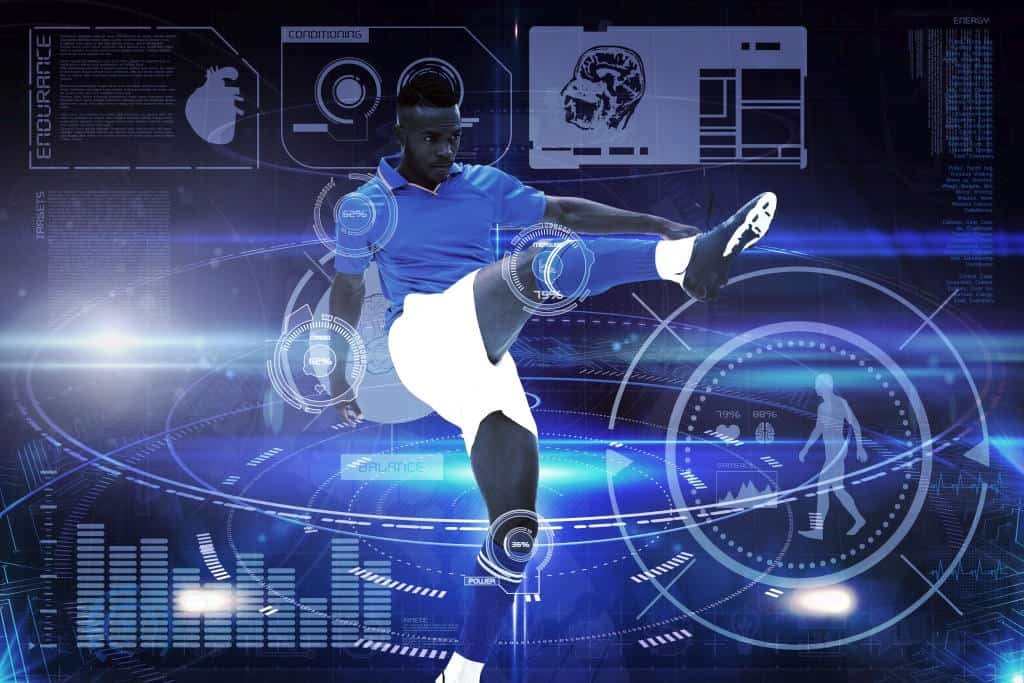
Wearable devices have revolutionized the way athletes train, track performance, and recover. Whether you’re a professional athlete, a weekend warrior, or someone simply committed to improving health and fitness, the right wearable technology can provide insights that were once available only to elite competitors and their coaches. From smartwatches and fitness trackers to advanced biometric sensors and wearable ECG monitors, today’s market offers a wide range of options tailored to different needs and goals. In this comprehensive guide, we’ll explore the best wearable devices for athletes and fitness enthusiasts, reviewing features, benefits, and how to choose the right wearable for your lifestyle. This article uses important keywords such as wearable technology for athletes, fitness tracker review, best smartwatches for fitness, wearable health devices, and performance tracking wearables to help you make informed decisions about your next technology investment.
What Are Wearable Devices and Why They Matter
Wearable devices are compact electronic gadgets worn on the body that continuously monitor physical activities and physiological signals. These devices use sensors like accelerometers, gyroscopes, optical heart rate monitors, GPS modules, and sometimes even electrical sensors to capture data such as steps taken, heart rate, sleep stages, blood oxygen levels, training load, and more.
For athletes and fitness enthusiasts, wearable technology provides real‑time feedback, performance analytics, and long‑term trends that help guide training plans, prevent injury, and optimize recovery. Wearables also enable goal setting and accountability, empowering users to see measurable progress over time. Advanced models can even integrate with coaching platforms and team performance systems for deeper insights.
How Wearable Devices Enhance Athletic Performance
Wearable technology for athletes does more than count steps or calories burned; it provides actionable data that informs smarter training decisions. Wearables can help you understand your aerobic capacity, monitor training intensity, track recovery, and avoid overtraining. Features like VO2 max estimation, lactate threshold prediction, and running dynamics allow athletes to fine‑tune workouts based on objective measures rather than subjective feeling alone.
In addition to performance insights, many wearables also monitor stress levels, sleep quality, and daily readiness scores, offering a holistic view of an athlete’s health. This supports better recovery strategies, which are crucial for sustained progress and injury prevention.
Key Metrics to Look for in Wearable Devices
Before diving into specific product reviews, it’s important to understand the key metrics that matter most to athletes and fitness enthusiasts:
Athletic Performance Metrics: GPS tracking for pace and distance tracking VO2 max estimation training load and recovery score pace alerts and cadence Running Dynamics: stride length ground contact time vertical oscillation Heart Rate Monitoring: continuous heart rate zones real‑time heart rate alerts heart rate variability (HRV) Sleep and Recovery: sleep stages deep/light/REM tracking sleep score Readiness score Stress and Wellness: stress monitoring guided breathing and relaxation Health Monitoring: blood oxygen saturation (SpO2) ECG and arrhythmia detection fall detection and safety features Durability and Outdoor Features: waterproof rating rugged build strong GPS accuracy battery life
These metrics are essential components of a high‑quality wearable device that can benefit serious athletes, fitness enthusiasts, and everyday users alike.
Best Wearable Devices for Athletes and Fitness Enthusiasts
Here we review top wearable devices across several categories — smartwatches, fitness trackers, and advanced biometric wearables — to help you choose the best option based on your goals and budget.
1. Apple Watch Series (Best All‑Around Smartwatch for Athletes)
The Apple Watch Series continues to be one of the most popular smartwatches for fitness and performance tracking. With advanced sensors, rich app support, and seamless integration with Apple Health, this device offers a powerful combination of smartwatch and fitness‑centric features.
Key Features: Advanced optical and electrical heart sensors built‑in GPS/GLONASS/ Galileo for accurate distance tracking VO2 max estimation and cardio fitness levels ECG app irregular rhythm notifications Sleep tracking with sleep stages Workout detection for a wide variety of sports including running, cycling, swimming, HIIT, yoga Activity rings that motivate daily activity Customizable training plans and integration with Strava, Nike Run Club, and other apps
Why It’s Great for Athletes: The Apple Watch stands out for its blend of performance tracking and lifestyle features. Real‑time metrics help runners pace themselves, while advanced health sensors monitor cardiac signals and detect arrhythmias. With high‑resolution display and third‑party app support, it also serves as a versatile training companion.
Who It’s Best For: Apple users who want a fully featured smartwatch that excels in both performance and everyday tracking.
2. Garmin Forerunner Series (Best Dedicated Running and Triathlon Wearables)
Garmin has long been a leader in GPS wearables for endurance athletes. The Forerunner series — including models like the Forerunner 255, 955, and 265 — offers robust performance tracking, long battery life, and advanced metrics for runners and triathletes.
Key Features: Multi‑band GPS, GLONASS, and Galileo tracking Training load and recovery advisor VO2 max and race time predictions Running dynamics (with compatible accessories like HRM‑Pro) Cycling and swimming metrics Workout planning and race pacing guidance Music storage and playback on select models
Why It’s Great for Athletes: Garmin wearables are built for serious training. They deliver precise GPS and performance insights and integrate seamlessly with Garmin Connect for detailed analysis. The Forerunner models excel in battery life, allowing multi‑day tracking even with frequent GPS use.
Who It’s Best For: Runners, cyclists, and triathletes seeking serious performance data and planning tools.
3. WHOOP Strap (Best Recovery and Strain Monitoring Wearable)
WHOOP takes a different approach from traditional fitness watches. It focuses heavily on strain, recovery, and sleep, providing users with a daily readiness score that informs how hard to train and when to rest.
Key Features: Continuous heart rate and heart rate variability tracking Sleep performance analysis with sleep coaching Strain score that reflects daily physiological load Personalized recovery insights based on multi‑metric analysis No display — designed to be used alongside smartphone app
Why It’s Great for Athletes: WHOOP excels at helping athletes balance training and recovery. Its emphasis on recovery — not just activity — encourages smarter training patterns and helps prevent overtraining. The advanced sleep analysis also uncovers patterns that traditional trackers might miss.
Who It’s Best For: Athletes who want detailed interpretation of strain, recovery, and sleep quality without a traditional watch interface.
4. Polar Vantage Series (Best for Heart Rate Accuracy and Endurance Training)
Polar is known for its expertise in heart rate monitoring, and its Vantage series wearables are no exception. Models like the Vantage V2 provide industry‑leading heart rate accuracy along with advanced training and recovery features.
Key Features: Precision Prime heart rate sensor Running power and training load insights Sleep and recovery tracking Nightly Recharge score GPS and multi‑sport support Training Load Pro and Recovery Pro features Personalized training feedback
Why It’s Great for Athletes: Polar’s strength lies in accurate heart rate and training load metrics. The watch provides deep insight into how your body responds to training, making it a favorite for endurance athletes and coaching professionals.
Who It’s Best For: Endurance athletes focused on heart rate‑based training and recovery optimization.
5. Fitbit Charge and Fitbit Sense (Best Fitness Trackers for Everyday Users)
Fitbit has been a dominant name in fitness trackers for many years, and its Charge and Sense models combine solid performance tracking with user‑friendly insights. These devices are ideal for fitness enthusiasts who want wellness features alongside activity tracking.
Key Features: Daily activity and step tracking Heart rate monitoring Sleep stages and sleep score Stress management metrics SpO2 monitoring Guided breathing sessions Smartphone notifications (on select models) Long battery life
Why It’s Great for Fitness Enthusiasts: Fitbit devices offer reliable tracking in a simple, intuitive interface. The wellness dashboard provides insights into sleep, heart health, and stress, making these trackers a strong choice for everyday users who want a complete picture of their health.
Who It’s Best For: Fitness enthusiasts and everyday users who prioritize wellness and consistency over advanced athletic metrics.
6. Samsung Galaxy Watch Series (Best Android Smartwatch for Fitness)
The Samsung Galaxy Watch lineup offers a compelling fitness and performance experience for Android users. With strong hardware, comprehensive fitness apps, and elegant design, these smartwatches bring both form and functionality.
Key Features: Built‑in GPS Heart rate and SpO2 monitoring Workout detection and auto tracking Sleep tracking Stress management VO2 max and fitness age estimation Integration with Samsung Health and third‑party fitness apps
Why It’s Great for Athletes: Samsung’s wearables provide a balanced blend of lifestyle features and fitness tracking. Real‑time metrics help athletes track runs, rides, and workouts, while advanced health sensors support broader wellness monitoring.
Who It’s Best For: Android users seeking a versatile smartwatch with strong fitness and health tracking.
7. Oura Ring (Best Ring‑Form Wearable for Sleep and Recovery)
Not all wearables are worn on the wrist. The Oura Ring is a sleek ring device that excels in sleep and recovery tracking, making it a favorite among athletes who want detailed overnight insights.
Key Features: Sleep staging and quality tracking Readiness score based on HRV, temperature, and activity Nightly recovery insights Activity tracking with calorie burn and steps Heart rate monitoring (during sleep and workouts)
Why It’s Great for Athletes: Oura’s compact form factor and deep sleep analytics set it apart. It helps users uncover patterns in sleep quality and recovery that impact daily performance, making it especially useful for athletes with demanding training schedules.
Who It’s Best For: Athletes who prioritize sleep and recovery analytics in a subtle, comfortable wearable.
8. Biostrap (Best Biometric Monitoring Wearable)
Biostrap specializes in clinical‑grade biometric tracking. It’s designed for users who want accurate metrics and advanced physiological data across multiple domains of health and performance.
Key Features: PPG optical sensors for cardiac metrics Sleep staging with REM/light/deep tracking Respiratory rate monitoring Blood oxygen levels Workout and activity tracking Recovery analytics Automated sleep, HRV, and respiratory insights
Why It’s Great for Athletes: Biostrap delivers high‑quality data that rivals medical wearable sensors. The robust analytics help athletes understand nuanced physiological trends and adapt training accordingly.
Who It’s Best For: Analytics‑driven athletes and coaches who want rich biometric insights beyond standard wearable metrics.
9. COROS Wearables (Best for Endurance and Trail Athletes)
COROS has gained a strong reputation among endurance athletes for rugged design, long battery life, and reliable GPS tracking. Models like the COROS Apex and Vertix are built to handle ultra‑long workouts and extreme conditions.
Key Features: Extended battery life (weeks to days even with GPS) Precise GPS tracking and route navigation Multisport modes and performance metrics Training load and recovery insights Altimeter and barometer features (on select models)
Why It’s Great for Athletes: COROS wearables combine durability with deep performance data, making them ideal for trail runners, hikers, and ultra‑endurance competitors. Long battery life means fewer interruptions during multi‑day events.
Who It’s Best For: Endurance athletes, trail runners, and adventurers who need reliable tracking in harsh environments.
10. WHOOP Body Sensors
(Advanced Sensors for Specialized Monitoring)
For athletes seeking cutting‑edge monitoring beyond standard wearables, standalone body sensors offer continuous insights into strain, recovery, sleep, and HRV without the need for traditional displays. These devices sync with apps to deliver detailed physiological analysis and personalized recommendations.
Key Features: Continuous heart rate and HRV tracking Strain score and recovery metrics Deep sleep analysis Real‑time coaching recommendations
Why It’s Great for Athletes: These sensors provide highly accurate data with minimal interference, making them suitable for athletes focused on optimizing training cycles and managing fatigue.
Who It’s Best For: Serious athletes, coaches, and sports scientists who require advanced monitoring without distraction.
How to Choose the Best Wearable Device for Your Needs
Choosing the right wearable device depends on your goals, preferred metrics, budget, and ecosystem (iOS vs Android). Here are key factors to consider when selecting a wearable:
Training Goals: Are you focused on running, cycling, triathlon, or general fitness? Choose a device with sport‑specific features. Sensor Accuracy: Look for wearables with reliable GPS and heart rate tracking. Metrics Tracked: Ensure the device monitors the performance indicators you care about (e.g., VO2 max, HRV, sleep). Battery Life: Longer battery life matters for endurance athletes and adventure users. Comfort and Design: Wearables should feel comfortable during long workouts and daily wear. Ecosystem Compatibility: Check whether the device integrates with your smartphone and favorite training apps. Durability: If you train outdoors or in challenging conditions, choose rugged and waterproof devices.
Benefits of Using Wearables for Athletes and Fitness Enthusiasts
Wearable devices offer numerous benefits that go beyond simple tracking:
Enhanced Motivation: Seeing progress in real time encourages consistent effort and goal achievement. Personalized Training: Data‑driven insights enable tailored training plans and adjustments. Injury Prevention: Tracking load and recovery helps avoid overtraining and injury. Data‑Driven Decisions: Objective metrics support smarter training decisions. Accountability: Wearables help users stay accountable by setting reminders and tracking habits. Seamless Integration: Many devices sync with nutrition, coaching, and training apps for holistic performance planning.
Common Misconceptions About Wearable Technology
There are a few misconceptions about wearable tech that are worth addressing:
Not Just Step Counters: Modern wearables provide advanced physiological insights far beyond step counting. Not One‑Size‑Fits‑All: Different athletes require different features — choose based on goals. Data Is Actionable: Wearables collect data, but interpretation and coaching guidance make it valuable. Battery Life Tradeoffs: More sensors may drain battery faster — balance feature needs with device longevity.
Future Trends in Wearable Technology
The future of wearable technology for athletes looks exciting. We’re likely to see improvements such as:
Advanced Biometric Sensors: More accurate continuous glucose monitoring and hydration tracking. AI‑Powered Coaching: Personalized training recommendations based on real‑time and historical data. Integration with AR and VR: Immersive training experiences and interactive feedback. Smarter Recovery Metrics: Enhanced detection of fatigue, injury risk, and neural recovery. Lightweight and Flexible Sensors: Skin‑like wearables for even more comfortable tracking.
Final Thoughts on the Best Wearable Devices for Athletes and Fitness Enthusiasts
Wearable devices have transformed the way athletes train, recover, and perform. From best smartwatches with advanced GPS for runners and multisport athletes to specialized biometric wearables that uncover deep physiological insights, there is a wearable designed for every need and budget.
Understanding the key metrics that matter to you — whether it’s VO2 max, training load, recovery score, sleep quality, or running dynamics — will help you choose a device that supports your goals. Wearable technology for athletes continues to evolve, empowering users with data‑driven performance insights and enabling smarter training, better recovery, and sustained progress.
By investing in the right wearable device and using it in conjunction with a focused training plan, you’ll be better equipped to reach new levels of performance, reduce injury risk, and unlock your full athletic potential. Whether you are a competitive athlete or fitness enthusiast, the best wearable devices reviewed here offer powerful tools to help you train smarter, perform better, and feel confident in your fitness journey.