
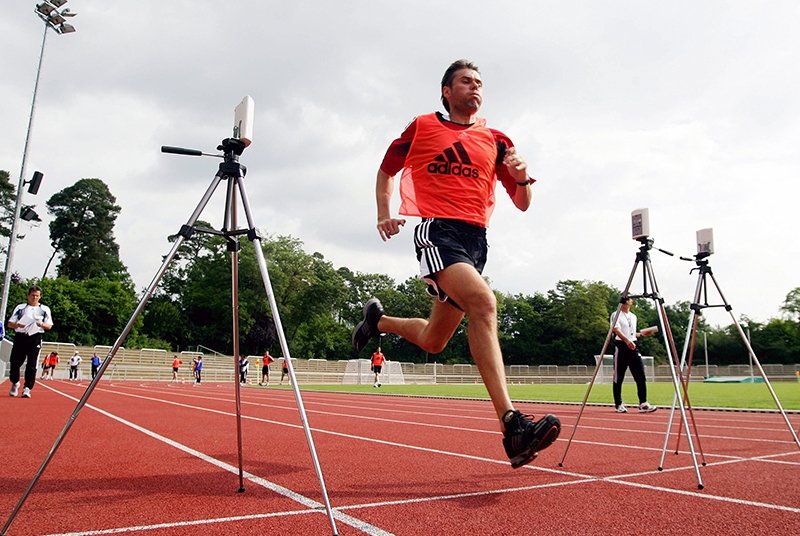
Technology has profoundly transformed the world of sports, changing the way athletes train, coaches strategize, and fans engage with their favorite games. From wearable devices that monitor health metrics to advanced video analysis tools, technology is revolutionizing modern sports at every level. It is no longer just about physical talent; data, analytics, and digital innovations play an essential role in optimizing performance and shaping the future of sports. This comprehensive guide explores how technology is revolutionizing modern sports, highlighting the latest tools, innovations, and their impact across different disciplines.
Understanding the role of technology in sports helps athletes improve skills, prevents injuries, and ensures fair play. For fans, it creates immersive experiences, allowing them to interact with sports in ways previously unimaginable. The integration of artificial intelligence, virtual reality, biomechanics, and advanced analytics is redefining every aspect of modern athletics, making it an exciting era for players, coaches, and enthusiasts alike.
Wearable Technology in Sports
Wearable devices have become an essential part of modern sports, providing real-time data to athletes and coaches. Devices such as smartwatches, fitness trackers, heart rate monitors, and GPS-enabled sensors track performance metrics like speed, distance, heart rate, and calorie expenditure.
In football, GPS trackers monitor players’ movements and energy expenditure during matches, helping coaches optimize training schedules. In cycling, wearable sensors analyze pedal efficiency, cadence, and power output to enhance performance. Similarly, runners use wearable devices to track pace, stride length, and recovery time. Keywords: wearable technology in sports, sports performance tracking, GPS sensors sports, heart rate monitors athletics, fitness trackers for athletes.
Video Analysis and Motion Tracking
Video analysis tools have revolutionized how athletes and coaches study performance. High-speed cameras, motion sensors, and software programs allow precise breakdowns of movements, techniques, and strategies.
In tennis, slow-motion analysis helps players perfect their serve and backhand techniques. In basketball, motion tracking identifies defensive gaps and offensive patterns. Coaches use these insights to correct errors, improve tactics, and prevent injuries. Video analysis also aids referees in decision-making, enhancing fairness and accuracy in competitive sports. Keywords: video analysis in sports, motion tracking athletics, sports coaching technology, performance analysis tools, sports video technology.
Virtual Reality and Augmented Reality
Virtual reality (VR) and augmented reality (AR) are emerging as powerful tools for training and fan engagement. VR simulations allow athletes to practice scenarios without physical strain or risk of injury. For example, quarterbacks in American football use VR to practice reading defenses, while hockey players simulate game situations to improve reaction time.
AR enhances fan experiences by overlaying digital graphics, statistics, and interactive elements on live broadcasts or stadium screens. Fans can view player stats, replay angles, and live analysis through AR apps, creating an immersive and informative experience. Keywords: virtual reality in sports, augmented reality sports, VR training athletics, AR fan engagement, sports technology innovations.
Artificial Intelligence and Data Analytics
Artificial intelligence (AI) and data analytics have transformed strategic decision-making in modern sports. Teams analyze vast datasets to evaluate player performance, scout opponents, and optimize tactics.
In football, AI-driven analytics track passing patterns, player positioning, and opponent tendencies. In basketball, predictive models assess shot efficiency, defensive strengths, and player fatigue. AI also aids in injury prevention by analyzing movement patterns and predicting potential risks based on biomechanics and historical data. Keywords: AI in sports, sports data analytics, predictive analytics athletics, AI injury prevention, modern sports technology.
Smart Equipment and Connected Gear
Smart equipment, such as connected bats, balls, and rackets, provides instant feedback on performance. Tennis rackets with sensors measure swing speed, ball impact location, and spin. Baseball bats with embedded sensors track swing mechanics, helping players improve batting accuracy. Even footballs equipped with sensors provide data on kick force, trajectory, and ball rotation.
Connected gear enhances training efficiency, allowing athletes to make data-driven adjustments in real-time. These devices also help coaches monitor multiple athletes simultaneously, improving team-wide performance. Keywords: smart sports equipment, connected gear in sports, sensor-enabled athletic gear, sports technology gadgets, modern sports devices.
Injury Prevention and Recovery Technologies
Injury prevention and recovery have become major focus areas in modern sports, with technology playing a critical role. Wearable devices monitor joint stress, muscle fatigue, and biomechanical imbalances, helping coaches prevent overuse injuries.
Recovery technologies such as cryotherapy chambers, compression devices, hydrotherapy, and electrical stimulation aid faster rehabilitation. AI-based monitoring systems predict potential injuries, allowing preventive training adjustments. These innovations extend athletes’ careers and enhance long-term performance. Keywords: sports injury prevention, athlete recovery technology, wearable injury monitors, sports rehabilitation devices, modern sports science.
Sports Nutrition and Biomechanics
Technology has revolutionized sports nutrition and biomechanics, ensuring athletes maintain peak physical condition. Apps and wearable devices track caloric intake, hydration levels, and nutrient absorption. Personalized nutrition plans optimize energy levels and recovery.
Biomechanical analysis tools measure movement efficiency, posture, and muscle engagement. Motion capture systems provide insights into running mechanics, swimming strokes, and lifting techniques, reducing injury risk and improving technique. Keywords: sports nutrition technology, biomechanics in sports, athlete diet tracking, motion capture athletics, sports performance optimization.
Referee Assistance and Video Review Systems
Technology has enhanced officiating accuracy through tools like the Decision Review System (DRS) in cricket, Video Assistant Referee (VAR) in football, and Hawk-Eye systems in tennis. These systems provide instant feedback, slow-motion replays, and ball tracking to ensure fair play.
Referee assistance technology reduces human error, increases transparency, and maintains the integrity of competitions. For beginners and professional athletes alike, accurate officiating ensures that talent and skill, rather than mistakes, determine outcomes. Keywords: sports referee technology, VAR football, DRS cricket, Hawk-Eye tennis, modern officiating tools.
Fan Engagement Through Digital Platforms
Technology has transformed fan engagement, offering interactive experiences and global connectivity. Mobile apps, social media platforms, and live streaming services allow fans to follow matches, access player stats, and participate in virtual events.
Augmented reality experiences, fantasy leagues, and virtual stadium tours create immersive engagement, bridging the gap between fans and athletes. Digital platforms also facilitate community-building, allowing fans to share insights, predictions, and support for their teams. Keywords: sports fan engagement technology, digital sports platforms, fantasy leagues, live streaming sports, AR fan experiences.
eSports and Gaming Integration
The rise of eSports highlights the merging of traditional sports and digital technology. Competitive gaming involves professional players, organized tournaments, and global audiences, similar to conventional sports.
Traditional sports organizations are increasingly integrating eSports to reach younger audiences, combining physical and digital training programs. Simulation-based gaming enhances skills, strategic thinking, and reflexes, complementing real-world athletic training. Keywords: eSports technology, gaming and sports, digital sports integration, virtual competition athletics, modern sports technology trends.
Environmental and Sustainability Technology in Sports
Modern sports also use technology to reduce environmental impact. Smart stadiums with energy-efficient lighting, water recycling systems, and eco-friendly construction materials promote sustainability. Wearable energy-harvesting devices, electric transport, and digital ticketing reduce the carbon footprint of sporting events.
Sustainability technology ensures that sports remain accessible, safe, and responsible, aligning with global environmental initiatives. Keywords: sustainable sports technology, eco-friendly stadiums, green sports initiatives, environmental technology athletics, modern sports sustainability.
Future of Technology in Sports
The future of sports will see even greater integration of technology, including AI-driven performance coaching, advanced biometrics, immersive VR training, and predictive analytics. Robotics and exoskeletons may assist rehabilitation, while real-time data streaming will enhance fan interaction.
Artificial intelligence could predict game outcomes, optimize player rotations, and provide personalized training routines. Augmented reality may allow fans to experience matches from unique perspectives, blurring the line between physical and digital sports. Keywords: future sports technology, AI coaching sports, VR training athletics, predictive analytics in sports, modern sports innovations.
Common Keywords Related to Technology in Sports
Technology in sports, modern sports innovations, wearable devices for athletes, AI in sports performance, video analysis sports, VR training athletics, AR fan engagement, smart sports equipment, injury prevention technology, data analytics in sports, referee technology, eSports integration, sports sustainability technology.
Conclusion
Technology is revolutionizing modern sports by enhancing performance, improving safety, and creating immersive experiences for fans. From wearable devices and video analysis tools to virtual reality, AI, and smart equipment, innovations are shaping the way athletes train, compete, and interact with their audience.
The integration of technology ensures that sports are safer, more strategic, and more enjoyable than ever before. For athletes, coaches, and fans, understanding and embracing these advancements is essential for staying competitive and connected in the rapidly evolving world of modern sports. Keywords: technology revolutionizing sports, modern sports technology, wearable athletic devices, AI sports analytics, sports innovation, VR and AR in sports, smart sports gear, injury prevention technology, digital fan engagement.