
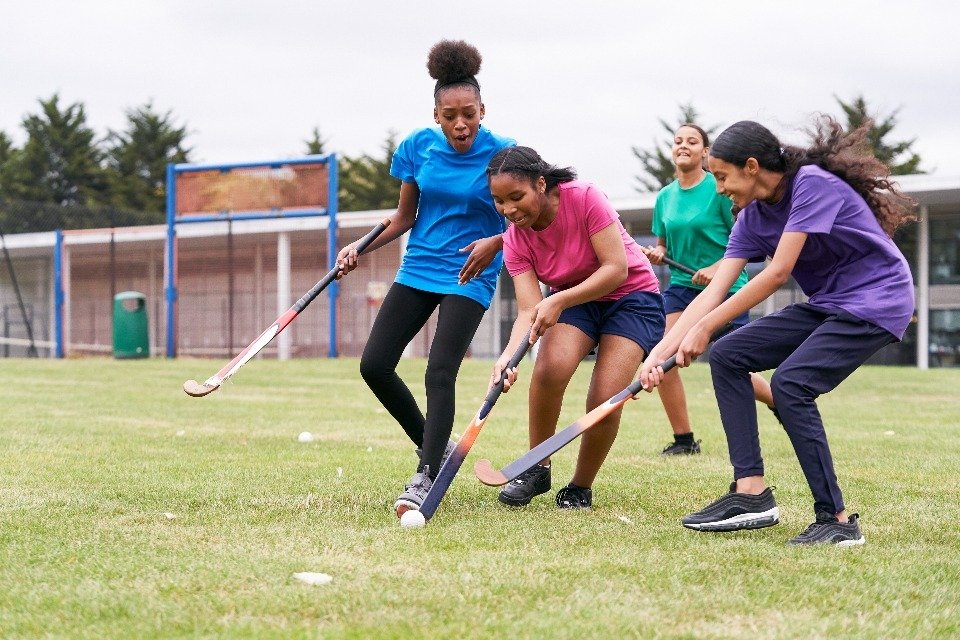
Youth sports programs play a crucial role in the overall development of children and adolescents. Participating in structured sports activities not only improves physical fitness but also promotes mental, emotional, and social growth. From team sports like football, basketball, and cricket to individual sports such as swimming, gymnastics, and tennis, youth sports programs provide a foundation for lifelong health, discipline, and personal development.
This comprehensive blog explores how youth sports programs help in physical and mental development, highlighting the benefits, skills gained, challenges faced, and best practices for parents, coaches, and educators. The blog integrates relevant keywords naturally, avoids line separators, and provides detailed insights suitable for readers seeking to understand the holistic impact of sports participation on youth development.
Introduction to Youth Sports Programs
Youth sports programs are organized activities designed for children and teenagers to learn, practice, and compete in various athletic disciplines. These programs can take place in schools, community centers, sports clubs, or specialized academies. The main goals of youth sports programs are to promote physical activity, teach fundamental skills, encourage teamwork, instill discipline, and provide an environment where children can thrive socially and emotionally.
Beyond physical fitness, youth sports programs emphasize character development, goal setting, leadership, and resilience. Children engaged in sports learn valuable life skills while enjoying the competitive and recreational aspects of athletic participation.
Physical Development Benefits of Youth Sports
Participating in youth sports programs significantly enhances physical development in several key areas:
Cardiovascular Health
Engaging in regular sports activities improves heart and lung function, increasing cardiovascular endurance. Activities like running, swimming, soccer, and basketball strengthen the heart, enhance circulation, and improve overall stamina. Cardiovascular fitness in youth sets the foundation for healthy adults, reducing the risk of heart disease, obesity, and related health issues.
Muscle Strength and Bone Health
Sports programs often involve running, jumping, throwing, and resistance exercises, which help in building muscle strength, bone density, and joint flexibility. Weight-bearing and high-impact activities, such as gymnastics and basketball, stimulate bone growth and enhance musculoskeletal health, reducing the risk of injuries in later life.
Coordination, Balance, and Motor Skills
Youth sports enhance motor skills, hand-eye coordination, agility, and balance. For example, tennis requires precise timing and coordination between the eyes and hands, while soccer improves foot-eye coordination and agility. Early development of these skills contributes to better performance in sports and daily activities.
Weight Management and Obesity Prevention
Regular participation in youth sports helps maintain a healthy body weight by burning calories, improving metabolism, and promoting an active lifestyle. Children who engage in structured sports programs are less likely to develop obesity-related conditions, such as type 2 diabetes, high blood pressure, and metabolic syndrome.
Flexibility and Injury Prevention
Many sports programs include stretching routines, warm-ups, and cooldown exercises that improve flexibility and reduce the risk of injuries. Youth learn proper movement techniques, which protect muscles and joints while fostering long-term physical health.
Mental and Cognitive Development Benefits of Youth Sports
Youth sports programs not only improve physical health but also foster mental and cognitive development:
Building Self-Esteem and Confidence
Achieving goals, mastering skills, and contributing to a team boosts self-esteem and confidence in young athletes. Recognition from coaches, peers, and family members reinforces positive self-image and encourages continued participation in sports. Confidence gained through sports often translates into other areas of life, including academics and social interactions.
Discipline and Goal Setting
Sports programs teach children the value of discipline, time management, and commitment. Training schedules, practice sessions, and competition deadlines encourage youth to develop organizational skills and learn the importance of setting and achieving goals. These habits contribute to long-term personal and professional success.
Stress Relief and Emotional Regulation
Physical activity in sports releases endorphins, which help reduce stress, anxiety, and depression. Participating in structured sports programs provides an outlet for emotional expression, allowing youth to manage emotions, cope with challenges, and build resilience. Sports also teach techniques for staying calm under pressure, such as focusing on breathing, visualization, and mental preparation.
Social Skills and Teamwork
Team sports programs, such as basketball, soccer, and volleyball, teach communication, cooperation, and conflict resolution skills. Working together toward common objectives helps youth develop empathy, negotiation skills, and the ability to collaborate effectively. Even individual sports, like tennis or swimming, offer opportunities to interact with coaches and peers, fostering social development.
Cognitive Skills and Decision Making
Sports require strategic thinking, quick decision-making, and problem-solving skills. Children learn to anticipate opponents’ actions, adapt to changing circumstances, and plan effective strategies. These cognitive skills are transferable to academic learning, critical thinking, and everyday life problem-solving.
Character Development Through Youth Sports
Youth sports programs contribute significantly to character development, shaping values and attitudes that extend beyond the playing field:
Leadership and Responsibility
Participation in sports allows youth to take on leadership roles, such as team captain or group mentor. Leading a team fosters responsibility, accountability, and decision-making skills that benefit both sports performance and personal growth.
Perseverance and Resilience
Sports teach children how to handle failure, setbacks, and competition. Learning to overcome challenges, adapt to losses, and strive for improvement builds resilience, perseverance, and a growth mindset. These qualities are critical for long-term success in sports and other areas of life.
Fair Play and Sportsmanship
Youth sports programs instill the values of fairness, respect, and integrity. Children learn to accept rules, honor opponents, and compete ethically. Understanding sportsmanship contributes to moral development and helps youth become responsible citizens.
Cultural Awareness and Inclusion
Sports programs often bring together youth from diverse backgrounds, promoting cultural awareness, tolerance, and inclusivity. Children learn to appreciate differences, work collaboratively with peers of varying abilities, and develop a sense of global citizenship.
Academic Benefits of Youth Sports
Participation in sports programs has a positive impact on academic performance and cognitive development:
Improved Concentration and Focus
Sports training requires attention to detail, focus on technique, and mental preparation. These skills carry over to the classroom, improving concentration, task completion, and learning outcomes.
Enhanced Memory and Learning Skills
Strategic sports activities, such as game planning and tactical analysis, stimulate memory and analytical skills. Youth learn to process information quickly and retain knowledge effectively, enhancing academic learning.
Time Management and Responsibility
Balancing sports, schoolwork, and extracurricular activities teaches youth time management, prioritization, and personal responsibility. These skills contribute to academic success and prepare children for future challenges.
Social and Community Benefits of Youth Sports Programs
Youth sports programs extend benefits beyond individual development, fostering community engagement and social cohesion:
Building Friendships and Social Networks
Sports programs create opportunities for youth to make friends, develop peer networks, and cultivate lifelong relationships. Team activities and group events strengthen social bonds and provide a sense of belonging.
Community Engagement and Civic Participation
Participation in local sports leagues, tournaments, and community events encourages civic engagement. Youth learn the importance of teamwork, volunteerism, and contributing to their community, fostering social responsibility.
Reducing Risky Behaviors
Youth engaged in structured sports programs are less likely to engage in risky behaviors, such as substance abuse or delinquency. Sports provide a positive outlet for energy, build self-discipline, and reinforce ethical decision-making.
Challenges Faced by Youth Sports Programs
Despite their numerous benefits, youth sports programs face challenges that can affect their effectiveness:
- Limited Access – Not all children have access to quality sports facilities, equipment, or coaching, particularly in underserved communities.
- Financial Constraints – Participation fees, travel expenses, and equipment costs can be barriers for low-income families.
- Overemphasis on Competition – Excessive focus on winning can lead to stress, burnout, and decreased enjoyment for youth athletes.
- Injury Risks – Without proper training, supervision, and safety protocols, youth athletes may face a higher risk of injuries.
- Gender and Inclusivity Issues – Girls and youth from marginalized communities may face barriers to participation due to stereotypes, discrimination, or lack of targeted programs.
Addressing these challenges requires inclusive policies, community support, coach education, and equitable access to resources.
Best Practices for Maximizing Benefits of Youth Sports Programs
To ensure that youth sports programs effectively promote physical and mental development, certain best practices should be followed:
Qualified Coaches and Mentors
Coaches should be trained in child development, sports psychology, and injury prevention. Positive mentorship fosters skill development, confidence, and character building.
Age-Appropriate Training
Programs should be tailored to the developmental stage of participants, balancing skill development, competition, and fun. Age-appropriate training reduces injury risk and maintains engagement.
Emphasis on Fun and Participation
Encouraging enjoyment and participation rather than focusing solely on competition enhances motivation, builds self-esteem, and promotes lifelong engagement in sports.
Inclusion and Diversity
Programs should promote inclusivity for girls, children with disabilities, and youth from diverse cultural and socioeconomic backgrounds. Providing equitable opportunities ensures all children benefit from sports participation.
Parental Involvement and Support
Parents play a critical role in supporting youth athletes by fostering a positive environment, encouraging healthy habits, and prioritizing skill development over winning.
Monitoring and Evaluation
Regular assessment of physical fitness, skill progression, and mental well-being ensures that programs meet developmental goals and address individual needs.
Long-Term Impact of Youth Sports Participation
Participation in youth sports has long-term benefits that extend into adulthood:
- Healthy Lifestyle Habits – Regular physical activity instills lifelong habits of exercise, nutrition, and wellness.
- Career Opportunities – Skills developed in sports, such as leadership, teamwork, and discipline, translate into professional success across various fields.
- Social and Emotional Competence – Youth learn resilience, empathy, and communication skills that benefit relationships and societal engagement.
- Civic Engagement – Sports participation encourages volunteerism, mentoring, and community involvement in adulthood.
Conclusion
Youth sports programs are powerful tools for promoting physical and mental development in children and adolescents. Participation enhances cardiovascular health, strength, flexibility, coordination, and motor skills, while also fostering self-esteem, discipline, social skills, and cognitive growth. Programs that prioritize inclusion, mentorship, fun, and age-appropriate training provide an environment where youth can thrive.
By addressing challenges such as access, financial constraints, injury prevention, and gender barriers, communities, schools, and sports organizations can maximize the positive impact of youth sports programs. The holistic benefits of youth sports contribute not only to athletic success but also to personal growth, lifelong health, and social development. Investing in youth sports programs is an investment in the future, empowering children to become confident, resilient, and well-rounded individuals.
Youth sports programs are more than just games; they are platforms for building character, nurturing talent, and promoting physical and mental well-being that lasts a lifetime.